- Introduction to Waterproof Vinyl Flooring
- Understanding the Different Types of Waterproof Vinyl Flooring
- Installation Process for Waterproof Vinyl Flooring
- Maintenance Tips for Long-lasting Waterproof Vinyl Flooring
- Comparing Waterproof Vinyl Flooring with Other Flooring Options
- Frequently Asked Questions
Introduction to Waterproof Vinyl Flooring
As homeowners and businesses alike continue to search for durable, cost-effective flooring solutions, waterproof vinyl flooring has emerged as a top contender. This innovative product brings practicality and style to spaces that require resilience against moisture and everyday wear. Let’s delve into the unique attributes and benefits of waterproof vinyl flooring, which has become a popular choice for residential and commercial applications alike.
What is Waterproof Vinyl Flooring?
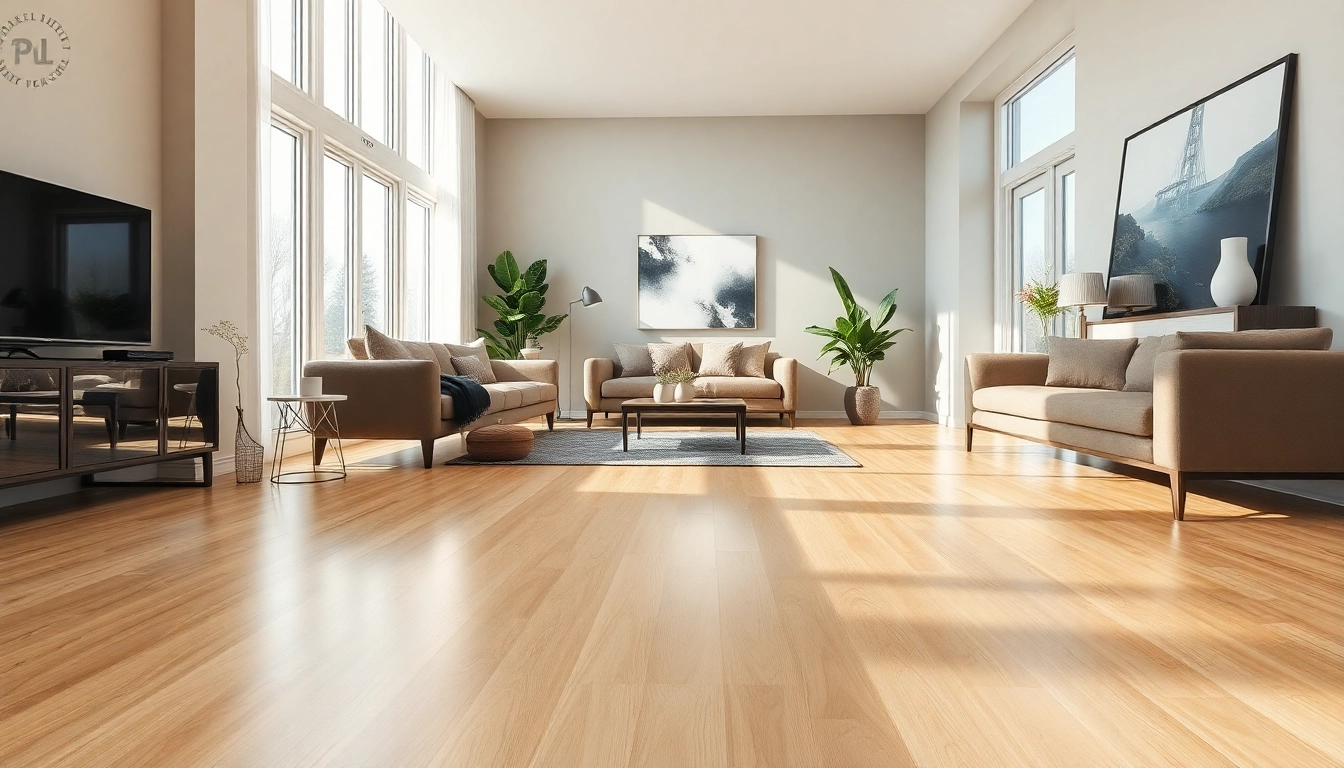
Waterproof vinyl flooring is a synthetic material designed to mimic natural textures and colors while providing unparalleled protection against water and spills. Constructed using multiple PVC (polyvinyl chloride) layers, this flooring option is engineered to withstand moisture, making it perfect for high-humidity areas like kitchens, bathrooms, and basements. Its core layer often features a rigid or flexible construction, enhancing comfort and durability. The design possibilities are endless, offering planks and tiles that look like wood, stone, and even ceramic.
Key Benefits of Waterproof Vinyl Flooring
- Water Resistance: The primary appeal of waterproof vinyl flooring is its ability to resist water damage. This feature makes it a smart choice for areas prone to spills and moisture.
- Durability: Unlike traditional flooring materials, waterproof vinyl is resistant to scratches, dents, and stains, ensuring a longer lifespan.
- Low Maintenance: Regular cleaning with a damp mop or cloth is sufficient to maintain its appearance, making it ideal for busy households.
- Comfort Underfoot: Many waterproof vinyl options come with a cushioned backing, providing extra comfort compared to harder flooring choices.
- Variety of Styles: Available in a vast array of designs, colors, and textures, waterproof vinyl flooring can complement any decor style.
Common Applications and Design Ideas
The versatility of waterproof vinyl flooring makes it an excellent choice for numerous applications, from residential homes to commercial establishments. Here are some common uses:
- Kitchens: The ease of cleaning and resistance to stains makes it ideal for kitchen spaces where spills are common.
- Bathrooms: Waterproofing properties ensure that water exposure does not lead to costly repairs.
- Basements: With moisture being a prevalent issue in basements, waterproof vinyl flooring provides a resilient solution.
- Commercial Spaces: Restaurants and retail environments benefit from the durability and aesthetic appeal of waterproof vinyl.
Understanding the Different Types of Waterproof Vinyl Flooring
Luxury Vinyl Plank vs. Vinyl Tile
Waterproof vinyl flooring generally comes in two main types: luxury vinyl plank (LVP) and vinyl tile (LVT). LVP is designed to replicate hardwood flooring, offering a warm and inviting feel. On the other hand, vinyl tile mimics ceramic or stone tiles, bringing a more formal aesthetic. Both options boast the same water-resistant benefits; however, the choice between them often comes down to personal preference and desired visual impact.
Style Variations and Textures
Waterproof vinyl flooring offers diverse textures and styles suitable for various design themes. From rustic wood grains to sleek marble looks, the options are endless. Manufacturers often combine advanced printing technology with embossing techniques, giving the product a life-like appearance while still retaining the practical attributes of vinyl. This diversity allows homeowners to seamlessly integrate this flooring into existing decor.
Choosing the Right Type for Your Space
When selecting the best waterproof vinyl flooring for your space, consider the following factors:
- Room Functionality: Assess how the space will be used. High-traffic areas may require thicker gauge materials for extra durability.
- Design Preferences: Choose styles and textures that complement your overall design theme.
- Budget: Match your choice to your budget, as prices can vary significantly based on design complexity.
- Installation Method: Consider whether you prefer click-lock systems for ease of installation or glue-down methods for added stability.
Installation Process for Waterproof Vinyl Flooring
Tools Required for Installation
Installing waterproof vinyl flooring can be a rewarding project. Having the right tools at your disposal ensures a smoother process. Here’s a list of tools you’ll need:
- Utility knife
- Measuring tape
- Straight edge
- Floor roller (for glue-down installations)
- Spacers
- Vacuum or broom (for surface preparation)
Step-by-Step Installation Guide
The installation of waterproof vinyl flooring can be completed in several straightforward steps:
- Prepare the Subfloor: Ensure the subfloor is clean, dry, and level. Any imperfections can affect the installation.
- Measure and Cut: Measure the area carefully and cut the flooring planks or tiles using a utility knife.
- Dry Fit: Lay out the pieces in the desired pattern without attaching them to see how they fit.
- Installation: If using a click-lock system, start from one corner and work towards the door. For glue-down, apply adhesive as per the manufacturer’s instructions.
- Finishing Touches: Install trim and transitions where necessary and ensure all edges are snugly fitted.
Common Mistakes to Avoid
Even the most experienced DIY enthusiasts can make mistakes. Here are common pitfalls to watch out for:
- Skipping floor preparation can lead to uneven surfaces.
- Ignoring expansion gaps can cause the flooring to buckle over time.
- Not allowing the flooring to acclimate can lead to expansion or contraction.
- Using excess or incorrect adhesive can impact the flooring’s performance.
Maintenance Tips for Long-lasting Waterproof Vinyl Flooring
Cleaning Recommendations
Maintaining your waterproof vinyl flooring is simple and effective. Regular sweeping or vacuuming prevents abrasive debris from scratching the surface. For deeper cleaning, use a damp mop and a mild cleaner that is suitable for vinyl surfaces; avoid harsh chemicals that could damage the flooring.
Repairing Minor Damages
Accidents happen, and minor damages can occur on waterproof vinyl floors. If scratches or scuffs appear, they can often be repaired using a simple vinyl floor repair kit. For larger scratches, placing a matching color filler can seamlessly restore the surface.
Prolonging the Life of Your Flooring
To maximize the lifespan of your waterproof vinyl flooring, consider employing these strategies:
- Use furniture pads under objects to prevent indentations.
- Avoid dragging heavy items across the floor.
- Attend to spills promptly to prevent any potential staining.
- Consider using a humidifier in dry environments to prevent excess expansion or contraction.
Comparing Waterproof Vinyl Flooring with Other Flooring Options
Cost-Effectiveness of Waterproof Vinyl Flooring
When compared to traditional hardwood, tile, or carpet, waterproof vinyl flooring offers an economical alternative without sacrificing style or durability. Its installation costs are relatively lower, especially with DIY options, and its longevity means it often outlasts less durable materials.
Durability Compared to Other Materials
Waterproof vinyl flooring is well-regarded for its durability. Unlike hardwood that can warp with moisture, or carpet that can harbor allergens, waterproof vinyl resists moisture, stains, and scratches, making it a practical choice for families and pet owners alike.
When to Choose Waterproof Vinyl Flooring Over Alternatives
Opt for waterproof vinyl flooring in scenarios where moisture is a concern, such as in bathrooms or kitchens. It’s also an excellent choice when ease of maintenance and cost-effectiveness are crucial factors in your flooring decision. In commercial environments, durability and aesthetic flexibility make it a prime contender against traditional flooring options.
Frequently Asked Questions
1. Is waterproof vinyl flooring easy to install?
Yes, waterproof vinyl flooring can be installed easily with minimal tools, especially with click-lock systems designed for DIY enthusiasts.
2. Can waterproof vinyl flooring be used in bathrooms?
Absolutely! Waterproof vinyl flooring is an excellent choice for bathrooms due to its resistance to moisture and spills.
3. How do I clean waterproof vinyl flooring?
Regular sweeping and damp mopping with a mild cleaner are recommended. Avoid using harsh chemicals that could damage the surface.
4. Is waterproof vinyl flooring durable?
Yes, waterproof vinyl flooring is designed to withstand heavy foot traffic and resist scratches, making it a durable choice for various spaces.
5. What styles are available in waterproof vinyl flooring?
There are numerous styles available, including designs that mimic wood, stone, and ceramic, allowing for diverse interior design options.