The Basics of Image to 3D Transformation
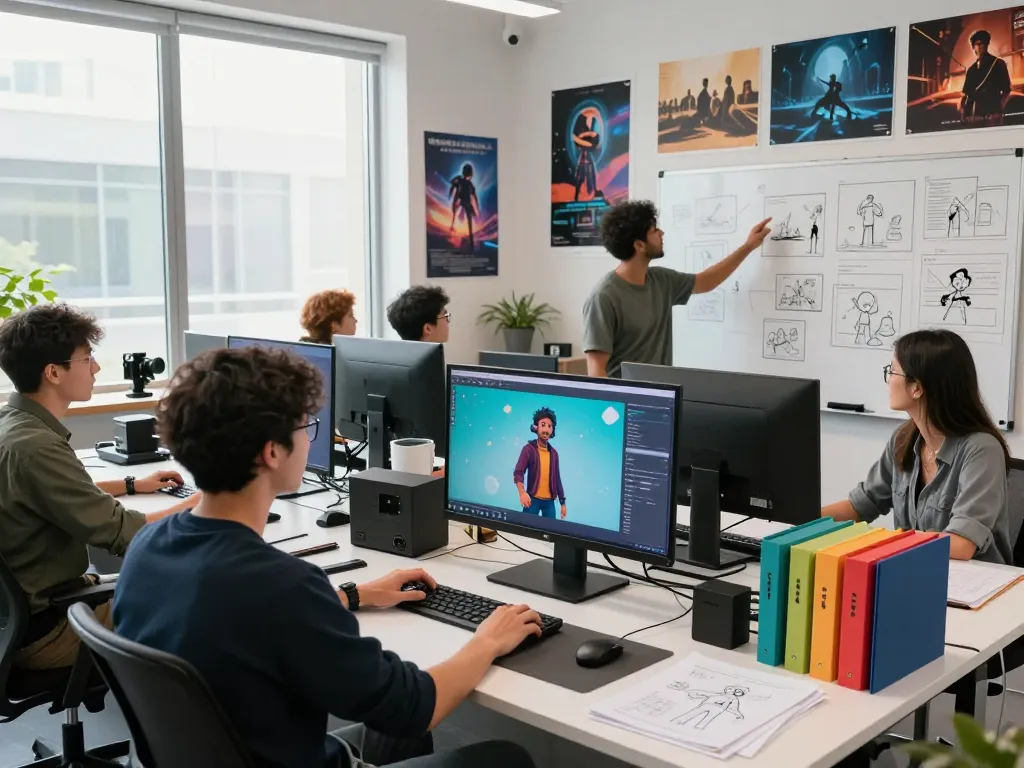
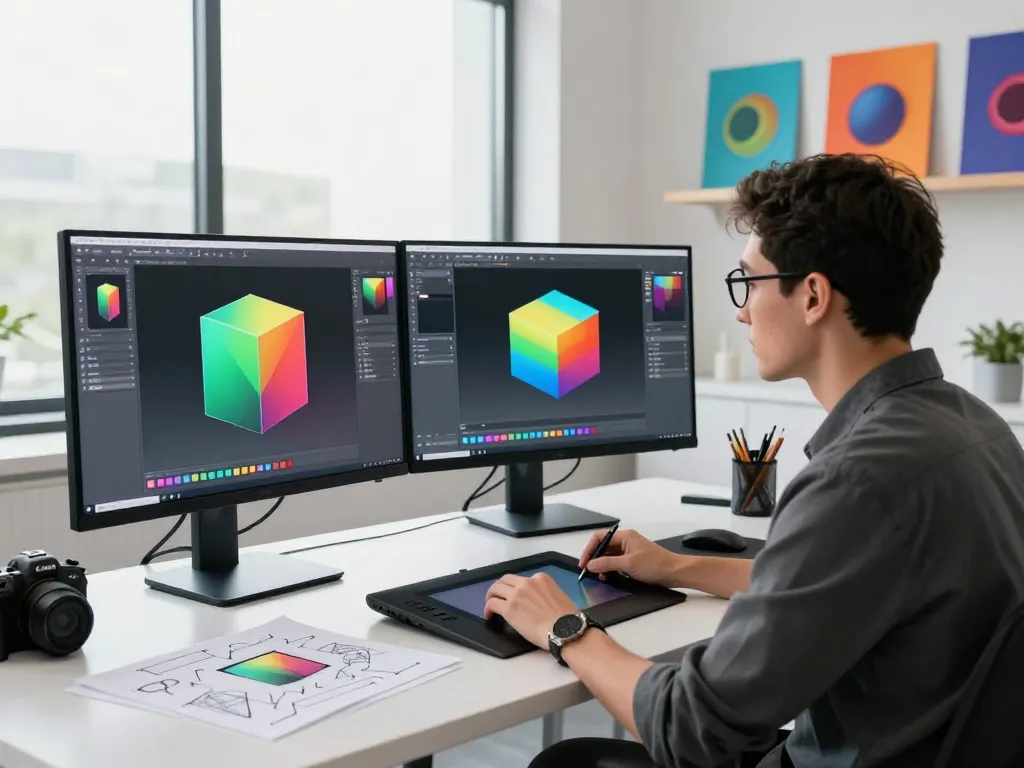
The transformation of 2D images into 3D models has gained remarkable traction across various industries, especially with the rise of artificial intelligence (AI) technologies. The process not only enhances visual experiences but also streamlines workflows in fields such as gaming, movie production, and product design. By understanding the basic principles of Image to 3D transformations, users can effectively leverage these tools for their projects.
Understanding 3D Modeling Fundamentals
3D modeling forms the backbone of virtual environments and objects. At its essence, it involves creating a mathematical representation of a three-dimensional object using polygons, curves, and other geometric forms. Mastery of these fundamentals is essential for anyone aspiring to utilize 3D modeling tools effectively. Basic concepts include vertices (the points in 3D space), edges (the lines that connect vertices), and faces (the flat surfaces made up of edges). Understanding these terms helps in navigating and manipulating 3D models.
The Role of AI in Image to 3D Technologies
Artificial intelligence plays a pivotal role in automating the conversion of 2D images to 3D models. Modern AI algorithms employ machine learning techniques to analyze and interpret images, allowing for the extraction of depth information that can be converted to 3D structures. This not only reduces manual effort but also increases the speed and accuracy of the model generation process, enabling creators to focus on the creative aspects rather than the technical burdens of modeling.
Key Terminology You Should Know
- Rendering: The process of generating an image from a model.
- Texturing: Adding surface detail to a 3D model.
- Voxel: A pixel with volume, used in 3D modeling.
- Mesh: A collection of vertices, edges, and faces that define the shape of a 3D object.
Choosing the Right Tools for Image to 3D Conversion
The plethora of software available can make choosing the right tool daunting. However, understanding your specific needs and the capabilities of various platforms can significantly streamline this decision-making process. Some tools are tailored for beginners, while others cater to professionals requiring advanced features.
Top Software Solutions in 2026
As of 2026, several standout tools have emerged in the market for converting images to 3D models. Tools such as Meshy AI and Sloyd AI have gained popularity for their user-friendly interfaces and powerful capabilities. Meshy AI offers seamless conversion of sketches and illustrations into 3D models, while Sloyd AI allows users to upload a variety of image types, generating quick and textured 3D models. Both platforms cater to different user needs, from casual creators to professional developers.
Free vs. Paid Options: What You Need to Consider
When evaluating tools, users must consider the balance between functionality and cost. Free tools often offer essential features suitable for beginners or hobbyists, while paid solutions tend to provide more advanced options, customer support, and frequent updates. It’s advisable to assess the complexity of your projects to determine whether a free tool suffices or if investing in a comprehensive paid tool is warranted.
User-Friendly Tools for Beginners
For those new to the field, several platforms prioritize ease of use. Tools like Tripo AI and Fast3D provide simple interfaces that enable users to convert 2D images into 3D models without extensive knowledge of 3D modeling. Tripo AI’s straightforward workflow makes it accessible for beginners, while Fast3D’s quick processing capabilities cater to those needing rapid results.
Step-by-Step Guide to Converting Images to 3D
Converting images to 3D is a systematic process that involves several critical steps, from preparing your images to post-processing your models. Each step is crucial for achieving high-quality 3D representations.
Preparing Your 2D Images for 3D Modeling
The foundation of any successful conversion lies in the preparation of your 2D images. Ensure that images have high resolution and clarity, as these factors significantly influence the output quality of the 3D model. Additionally, using images with distinct outlines and contrasting colors can enhance the AI’s ability to generate accurate models.
Using Advanced 3D Software: Tips and Tricks
Once your images are prepared, you can begin the conversion process. Advanced software often comes with features that can simplify this step, such as automated edge detection and texture mapping tools. Familiarizing yourself with the software’s capabilities will help you utilize plugins and shortcuts that can save time and improve the quality of your 3D models.
Post-Processing Your 3D Models for Best Results
After generating your 3D model, post-processing is essential for refining the output. This step may include repairing any imperfections, adding textures, and performing final renders. Utilizing software such as Blender or Maya can significantly enhance the detailing and realism of your models. Remember that patience during post-processing often leads to better results.
Common Challenges in Image to 3D Conversion
While converting images to 3D has become increasingly accessible, users may encounter various challenges during the process. Understanding these challenges and knowing how to address them can empower creators to achieve better results.
Understanding Limitations of Current Technologies
Current AI technologies still face limitations, particularly in accurately interpreting complex images or scenes with numerous overlapping elements. Factors such as lighting variations or occlusion in images can confuse algorithms, resulting in unsatisfactory conversions. Being aware of these limitations can help users manage their expectations and select the appropriate images for conversion.
Overcoming Common User Mistakes
Common mistakes often occur during the initial stages of image selection and preparation. Users may underestimate the importance of image quality or fail to consider the appropriate file formats for their tools. Ensuring that images are clean and devoid of excessive detail can help mitigate these issues.
Addressing Quality Concerns in 3D Output
Another challenge lies in the quality of the 3D models produced. Users may find that some models lack detail or realism. This could be due to poor initial images or deficiencies in the selected software. Conducting practice runs with simpler images can help users understand their tools and the intricacies of 3D modeling better, leading to higher quality outputs.
The Future of Image to 3D Technologies
The evolution of technologies in the Image to 3D sector is accelerating, with numerous advancements on the horizon. Keeping abreast of these trends will ensure professionals stay relevant in a rapidly changing landscape.
Emerging Trends in 2026 and Beyond
In 2026, the integration of machine learning with image processing technologies is expected to enhance the accuracy of automated models. Future software may also incorporate virtual reality (VR) and augmented reality (AR) capabilities, allowing users to visualize and manipulate 3D models in real-time environments.
Potential Applications Across Industries
Potential applications for Image to 3D technologies extend beyond the gaming and film industries. Fields like architecture, medicine, and e-commerce are beginning to adopt these tools for creating prototypes, visualizing concepts, and enhancing product displays. The versatility of 3D modeling enhances creativity and functionality across diverse domains.
Expert Predictions on Technology Advancements
Experts predict that by enhancing AI capabilities, the conversion process will become even more automated and intuitive. As algorithms improve, the need for human intervention may decrease, allowing creators to focus more on their artistic vision rather than the technicalities of modeling.