
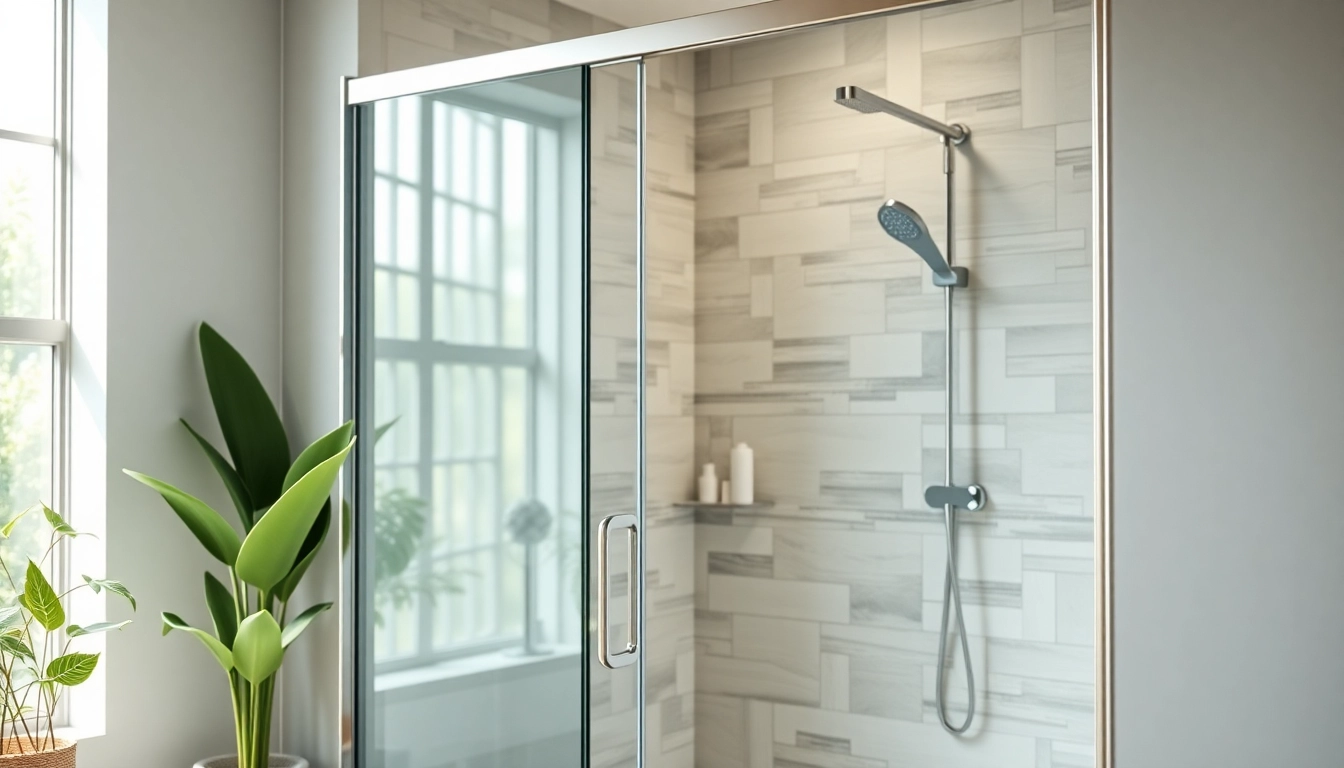
Understanding Shower Doors Sliding: The Basics
When it comes to modernizing your bathroom, one of the key elements to consider is the type of shower doors sliding that you choose. These doors not only contribute to the aesthetic appeal of the space but also offer practical advantages in terms of functionality and convenience. In this section, we’ll delve into what shower doors sliding are and their key benefits, along with the common materials used to manufacture them.
What Are Shower Doors Sliding?
Shower doors sliding refer to the type of door that opens by sliding along a track, rather than swinging outward or inward. This design makes it an excellent choice for bathrooms with limited space, as it minimizes the area needed for door clearance. Typically installed on a shower enclosure made of tiles or a prefabricated base, sliding doors are versatile and can accommodate various styles and preferences. Their sleek design not only makes them a popular choice but also facilitates easier access to the shower area.
Benefits of Shower Doors Sliding
Shower doors sliding come with numerous advantages:
- Space Efficiency: Since they slide rather than swing open, they save valuable bathroom space, making them perfect for small bathrooms.
- Easy Access: The sliding mechanism allows for easy entry and exit from the shower without the need to maneuver around a swinging door.
- Visual Appeal: With their sleek and modern design, they can enhance the overall look of your bathroom.
- Water Containment: When properly installed, sliding doors can effectively contain water within the shower area, helping to keep your bathroom floor dry.
- Variety of Designs: Available in many styles, finishes, and materials, they can easily fit into various decor schemes.
Common Materials Used
Shower doors sliding are made from a variety of materials, each with its unique set of benefits and aesthetic qualities:
- Tempered Glass: The most popular choice for sliding shower doors due to its strength and safety. Tempered glass is heated to a high temperature and then rapidly cooled, making it much tougher than regular glass.
- Acrylic: A lighter, less expensive option than glass. Acrylic is also less prone to shattering but can scratch more easily.
- Polycarbonate: Similar to acrylic but stronger and more impact-resistant. Ideal for homes with children or pets.
- Framed vs. Frameless: Framed options have a metal frame around the glass for added support, while frameless designs offer a sleek, minimalist look, enhancing spaciousness.
Choosing the Right Shower Doors Sliding for Your Space
Selecting the appropriate shower doors sliding involves more than just aesthetics. Consideration of various factors ensures that your choice complements both your bathroom layout and personal needs. Below, we outline several key considerations that will aid your selection process.
Factors to Consider Before Purchase
Before settling on your final choice of shower doors sliding, there are specific factors that warrant your attention:
- Bathroom Size: Measure your shower space accurately. Ensure the doors fit snugly into your designated area without obstructing any additional features.
- Usage Frequency: If your shower is used frequently, durability should be a priority. Strong materials and robust hardware play a key role here.
- Maintenance: Consider how much cleaning you are willing to undertake. Certain glass finishes resist water spots and staining better than others.
- Installation Type: Decide whether you want an easy DIY installation or need to hire a professional. This could affect your choice of materials and door types.
Size and Style Compatibility
Your bathroom style and size will dictate your choice of shower doors sliding. For smaller spaces, look for minimalistic designs that do not feel overwhelming. Conversely, larger bathrooms can accommodate more substantial frameworks or intricate styling, which can add a focal point to your space.
Compatibility of size also extends to door height and width. Standard doors may not fit custom designs, so verify measurements against your existing space before purchasing.
Glass Types and Transparency
Shower doors sliding come in varying glass thicknesses and transparencies. Thickness can directly relate to durability and safety; typically, thicker glass offers greater stability. Transparency options include:
- Clear Glass: Offers the biggest visual impact as it allows maximum visibility. Ideal for showcasing beautiful tile work inside the shower.
- Frosted Glass: Provides privacy while still allowing light to enter the shower space. This can be a great option for shared bathrooms.
- Tinted Glass: Adds a stylish element while also reducing glare, making it a popular choice for contemporary bathrooms.
Installation Process for Shower Doors Sliding
Installing shower doors sliding can be a DIY project or a task best left to professionals, depending on your skills and experience. This section outlines both options, along with a step-by-step guide for those who choose the DIY route.
DIY vs. Professional Installation
Deciding whether to install shower doors sliding yourself or hire a professional depends on several factors:
- Experience Level: If you possess adequate DIY skills, it can be rewarding to tackle the installation yourself. However, if you are unsure, hiring a professional may be safer.
- Complexity: More complex installations, such as custom tread designs, may require professional expertise.
- Time Constraints: Professionals are equipped to handle installations swiftly, whereas DIY might take longer depending on your schedule.
Tools Required for Installation
If you decide to proceed as a DIY installer, ensure you have the right tools on hand. Typical tools needed for installing shower doors sliding include:
- Drill
- Screwdriver
- Level
- Tape Measure
- Safety Glasses
- Sealant
Step-by-Step Installation Guide
The installation process for shower doors sliding generally follows these steps:
- Measure Your Shower Space: Ensure accurate measurements to determine the appropriate size for your doors.
- Prepare the Area: Clean the shower space to remove any debris, and ensure that the walls are dry and leveled.
- Install the Bottom Track: Position the bottom track according to the manufacturer’s specifications, ensuring it is perfectly level to facilitate smooth sliding.
- Attach the Side Tracks: Secure each side track to the wall according to the instructions. Use a drill to create pilot holes and ensure everything is secure.
- Insert the Glass Doors: Slide the glass doors into place, ensuring they sit properly within the track. Maintain an even gap at both ends for optimum function.
- Install the Door Handles: Attach any handles or pulls according to the manufacturer’s guidelines.
- Seal the Edges: Use water-resistant silicone sealant along the edges to create a waterproof barrier.
Maintaining Your Shower Doors Sliding
To prolong the life of your shower doors sliding, regular maintenance is essential. This includes not only cleaning but also addressing any minor issues that may arise during usage. Below, we explore several maintenance tips and tricks.
Cleaning Tips for Longevity
Keeping your shower doors sliding clean is vital for both hygiene and appearance. Here are some effective cleaning strategies:
- Use Gentle Cleaners: Avoid abrasive cleaners that might scratch the glass surface. Opt for vinegar diluted in water for an effective homemade cleaner.
- Wipe After Each Use: Quickly drying the doors with a squeegee after each shower helps prevent the buildup of soap scum and mildew.
- Deep Cleaning: Conduct a thorough cleaning at least once a month using a non-abrasive cloth to maintain clarity and shine.
Common Issues and Fixes
Over time, you may encounter common issues with your shower doors sliding, such as:
- Doors Not Sliding Smoothly: This can often be fixed with some lubricant on the track and ensuring the doors are properly aligned.
- Leaks: If water escapes from the doorway, ensure that the seals are intact and consider replacing them if they show signs of wear.
- Noise During Use: This may indicate dirt or grime build-up in the tracks; a thorough cleaning can alleviate this issue.
When to Seek Professional Help
If you encounter problems that are beyond basic maintenance— such as structural issues or sliding doors that require extensive repair—it’s best to consult a professional. They can provide a thorough inspection and advise on whether repairs or replacements are necessary to ensure both the functionality and safety of your shower doors sliding.
Cost Considerations and Budgeting for Shower Doors Sliding
While enhancing the look of your bathroom with shower doors sliding is appealing, understanding the associated costs is essential for effective budgeting. This section delves into price ranges, value analysis, and tips to manage your budget effectively.
Average Price Range for Shower Doors Sliding
The price of shower doors sliding can vary widely based on several factors, including material, size, and brand. Typically:
- Basic models may start at around £200.
- Mid-range options generally range from £400 to £600.
- High-end models, especially custom or frameless designs, can exceed £800.
Cost vs. Value Analysis
When weighing cost against potential value, consider:
- Longevity: Higher-quality materials may come with a larger upfront investment but can last longer and require less maintenance.
- Aesthetics: Investing in visually appealing designs can significantly boost the resale value of your home.
- Functionality: Ensuring that the door meets your daily usage demands (e.g., being water-tight) can save costs on future repairs.
Tips for Staying Within Budget
Budgeting for shower doors sliding doesn’t have to be daunting. Here are some tips to keep costs manageable:
- Set a Clear Budget: Determine your maximum budget before shopping to help narrow your options.
- Shop for Sales: Look for seasonal promotions or clearance sales to find quality doors at reduced prices.
- Consider DIY: Save on installation costs by handling the installation process, provided you have the skills and tools.
FAQs
What is the best material for shower doors sliding?
Tempered glass is recommended for its strength, safety, and aesthetic appeal.
How do I prevent mold buildup in shower doors sliding?
Regular cleaning with a vinegar solution keeps mold at bay and maintains clarity.
Can I install shower doors sliding myself?
Yes, but ensure you follow a detailed guide and have the right tools for safety.
What is the average cost of shower doors sliding?
Costs range from £200 to £800, depending on size, material, and brand.
Are there any special considerations for small bathrooms?
Consider bi-fold or corner shower doors sliding to maximize space while remaining functional.