
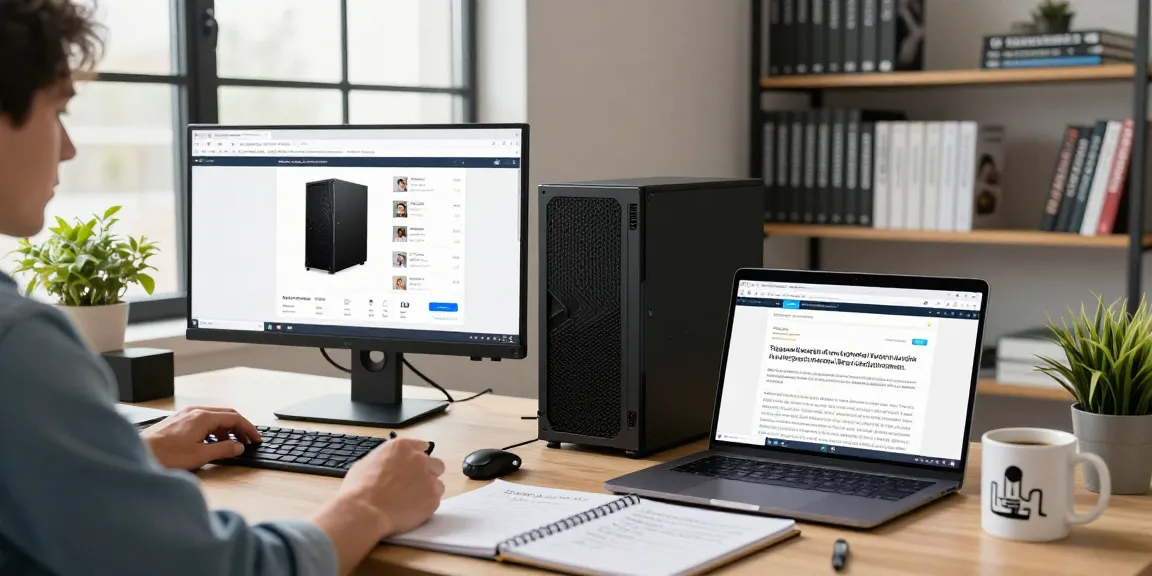
Understanding Refurbished PCs
In recent years, refurbished PCs have become increasingly popular among budget-conscious consumers and environmentally-savvy buyers alike. A refurbished PC is typically a device that has been returned to the manufacturer or retailer for various reasons, including minor defects or simply due to customer returns. These machines are then repaired, tested, and re-certified for resale, often at significantly lower prices than brand-new models. When exploring options, pc retailers provide comprehensive insights on the benefits and potential drawbacks of such purchases.
What is a Refurbished PC?
A refurbished PC is not just a used computer; it has undergone a process that ensures its reliability and functionality. Refurbished computers often come with warranties, and they have been inspected for defects, cleaned, and reset to factory conditions. This makes them a reliable choice when considering a personal or professional computing solution without the hefty price tag of a new device.
Benefits of Choosing Refurbished over New
Purchasing refurbished PCs comes with numerous advantages:
- Cost-Effectiveness: Refurbished PCs are often significantly cheaper than their new counterparts. This cost-saving can allow consumers to access higher specifications or premium brands without breaking the bank.
- Environmentally Friendly: Opting for refurbished technology contributes to reducing electronic waste. By giving a second life to devices, consumers play a part in environmental conservation.
- Quality Assurance: Many refurbished PCs are sold with warranties that provide peace of mind, ensuring that if something goes wrong, repairs or replacements are covered.
- Up-to-Date Technology: While brand new models continually emerge, refurbished PCs can still feature advanced technologies that meet the needs of most users.
Common Misconceptions about Refurbished Devices
Despite their growing popularity, several myths surrounding refurbished PCs persist:
- They Are All Broken: Many people believe that refurbished devices are inherently faulty. In reality, they have often been repaired and certified to meet specific standards.
- Limited Warranty: Some consumers mistakenly think refurbished PCs lack warranties. However, most reputable sellers offer warranties that are comparable to those of new devices.
- Outdated Technology: While some refurbished models may be older, many are recent releases that still perform well in various tasks.
Evaluating Quality in Refurbished PCs
When considering a refurbished PC, evaluating its quality is essential. Not all refurbished devices are created equal, and understanding what to look for can make all the difference in your purchasing experience.
Key Performance Indicators for Refurbished PCs
Key performance indicators (KPIs) help buyers assess the suitability of refurbished PCs for their needs:
- Processor Speed: Look for the latest generation processors to ensure speed and efficiency in multitasking.
- RAM Capacity: Higher RAM allows for better performance in running multiple applications simultaneously.
- Storage Type: Solid-state drives (SSD) are preferable for faster data access compared to traditional hard drives (HDD).
- Operating System: Ensure the PC comes with updated operating systems for security and compatibility with current software.
How to Inspect Refurbished Laptops and Desktops
Inspecting a refurbished laptop or desktop before purchase can save you from potential issues. Here’s how to do it:
- Physical Inspection: Check for any visible damage, such as scratches, dents, or worn-out keys, which can indicate heavy use.
- Testing Performance: If possible, run benchmarks or simple applications to gauge the performance before buying.
- Battery Health: For laptops, verify battery health statistics, as batteries are often a concern in refurbished devices.
Reputable Certifications and Warranty Information
Choose refurbished PCs from brands or retailers that provide certifications and warranty information. Look for:
- Manufacturer Certification: Devices certified by the original manufacturer often undergo stringent testing processes.
- Return Policy: A solid return policy indicates the retailer’s confidence in the quality of their refurbished items.
- Warranty Length: Longer warranties often signify quality assurance and customer support from the seller.
Best Practices for Purchasing Refurbished PCs
To ensure you make a smart purchase when buying refurbished PCs, consider these best practices.
Where to Find Reliable Refurbished PCs
Begin your search for refurbished PCs at trusted retailers, specifically those with a solid reputation and customer reviews. Online venues, manufacturer-certified stores, and local shops are excellent places to find quality refurbished options.
Comparative Analysis: Brand New vs. Refurbished
When deciding between new and refurbished PCs, weigh the advantages and potential drawbacks:
- Cost: Refurbished PCs are generally more affordable.
- Longevity: New PCs might last longer but can be significantly more expensive.
- Features: Refurbished units may offer features that are still competitive with new systems at a fraction of the cost.
Smart Shopping Tips for Budget-Conscious Buyers
When looking for refurbished PCs, consider these tips for getting the best deals:
- Set a Budget: Determine how much you are willing to spend before shopping to avoid overspending.
- Research: Compare prices from multiple retailers to ensure you’re getting the best deal.
- Keep an Eye on Sales: Many retailers have sales during holidays or back-to-school seasons that can further reduce prices.
Environmental Impact of Refurbishment
In an era where sustainability is increasingly vital, refurbished devices play a critical role in reducing electronic waste and fostering eco-friendly technology choices.
Reducing Electronic Waste through Refurbishment
Electronic waste is a growing environmental concern, with millions of tons discarded annually. Refurbishing PCs significantly reduces this waste by extending the life cycle of devices, keeping them out of landfills and lessening the need for raw materials to produce new devices.
How Refurbished Devices Contribute to Sustainability
Purchasing refurbished devices supports sustainable practices by:
- Conserving Resources: Refurbishment requires fewer raw materials, which helps save energy and reduces carbon footprints associated with manufacturing.
- Promoting Eco-Friendly Practices: By choosing refurbished, consumers send a message that they prioritize sustainability and support the circular economy.
Trends in Eco-Friendly Technology Choices
As environmental awareness continues to grow, consumers are increasingly opting for eco-friendly technology choices. The refurbishment trend aligns with sustainable practices as more manufacturers and retailers embrace greener technologies.
The Future of Refurbished Technology
The future of refurbished technology looks promising. As consumers continue to demand affordable and sustainable tech solutions, the market for refurbished devices is expected to grow.
Emerging Trends in the Refurbished Market (2026 and Beyond)
Looking ahead, several trends are emerging in the refurbished technology sector:
- Increased Quality: As refurbishment processes become more refined, the quality of refurbished products is expected to improve, offering consumers even greater value.
- Broader Acceptance: Businesses are likely to expand their usage of refurbished PCs, recognizing the cost benefits and reliability that these devices offer.
- Technological Innovations: Continued advancements in technology will ensure that refurbished devices remain competitive with new models.
Technological Advancements Supporting Refurbished Devices
Emerging technologies such as AI and machine learning are playing a role in enhancing refurbishment processes. These technologies can help streamline diagnostics and repair, leading to more efficient refurbishment cycles and ultimately improving consumer trust in refurbished products.
Expert Insights on the Future of PC Refurbishment
Industry experts predict that as awareness grows regarding the environmental impact of electronic waste, more consumers will choose refurbished PCs over new ones. This shift will not only benefit individual consumers but also contribute to a broader societal move towards sustainability and responsible consumption.
What should I look for when buying a refurbished PC?
When considering a refurbished PC, check for warranty information, the condition of the device, and certifications from reputable sellers to ensure you’re making a wise investment.
Are refurbished laptops as good as new ones?
Refurbished laptops can perform comparably to new devices, provided they come from reliable sources and have been properly tested and certified.
How can I ensure a refurbished PC is reliable?
Researching the seller’s reputation, checking for reviews, and looking for warranty options can help assure you that the refurbished PC is a reliable choice.
What are the environmental benefits of choosing refurbished?
Choosing refurbished devices leads to less electronic waste, conserves raw materials, and supports sustainable practices, all contributing positively to the environment.
Where can I find reputable sellers of refurbished PCs?
Reputable sellers include manufacturer-certified retailers, online marketplaces, and local computer shops that are known for quality assurance and customer service.