Understanding the Middle Eastern Grocery Landscape
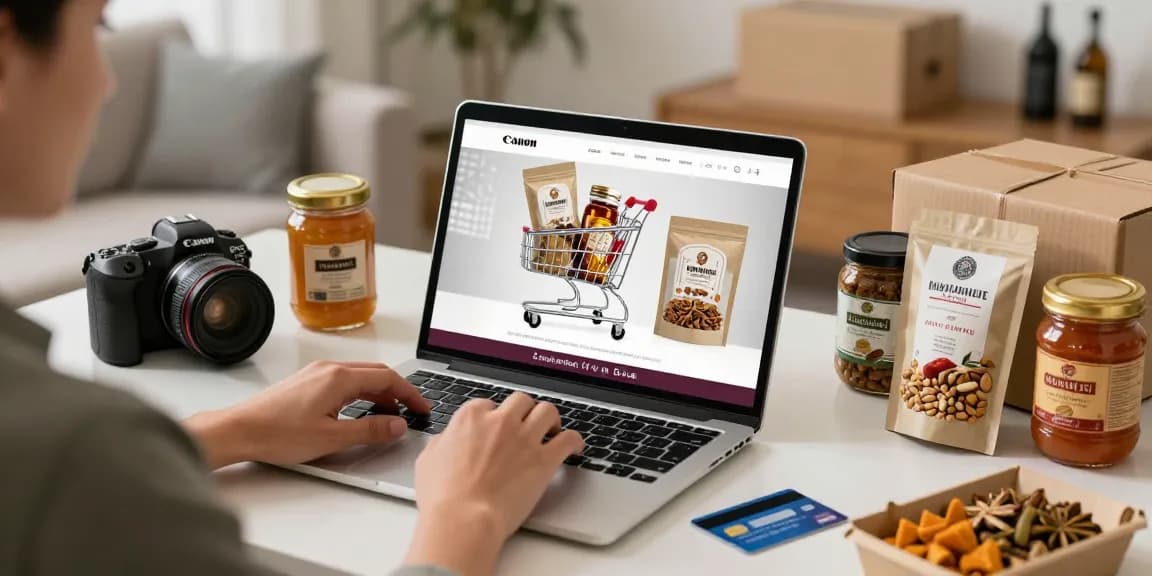
The Middle Eastern grocery landscape has been rapidly evolving, reflecting a growing consumer base attentive to authentic flavors and dietary preferences. As more shoppers embrace the diverse cuisines of the Middle East, the demand for quality ingredients and specialty products has surged. E-commerce platforms have recognized this shift and are capitalizing on the opportunity to provide a wealth of options, making it easier for consumers to access their favorite products right from home. When exploring options, Middle eastern grocery stores now boast a remarkable selection of items, catering to both traditional and modern tastes.
Current Trends in E-commerce
In 2026, the e-commerce sector continues to adapt to consumer behaviors that emphasize convenience, speed, and variety. One of the most notable trends is the rise of personalized shopping experiences driven by AI and machine learning. These technologies analyze customer preferences, tailoring the shopping journey to individual needs. Additionally, mobile commerce is booming, with users increasingly making purchases via their smartphones. This trend is particularly significant for groceries, as consumers look for quick and efficient ways to shop while on the go. Moreover, sustainability and ethical sourcing are becoming paramount, with brands placing a strong emphasis on authenticity, organic choices, and local sourcing.
Why Middle Eastern Grocery Products Are Popular
The popularity of Middle Eastern grocery products can be attributed to several factors. Firstly, these products offer a unique flavor profile that distinguishes them from Western grocery items. Ingredients such as za'atar, tahini, and sumac introduce exciting culinary possibilities, appealing to adventurous eaters and home cooks alike. Furthermore, many Middle Eastern groceries are aligned with health-conscious trends, featuring natural and organic ingredients. The growing awareness of dietary restrictions and food allergies has also facilitated interest, as traditional Middle Eastern diets are often rich in gluten-free, vegan, and health-friendly options.
Key Players in the Market
The market for Middle Eastern grocery items is becoming increasingly competitive, with key players like Sani LLC leading the charge with quality offerings and exceptional customer service. Other notable retailers include both local and national chains equipped with robust online platforms designed to provide seamless shopping experiences. These competitors are investing in logistics and fulfillment capabilities to ensure products arrive quickly and in excellent condition. Together, these lines of competition contribute to a dynamic marketplace that continuously seeks to improve customer experiences.
Exploring Popular Middle Eastern Grocery Products
Top-Rated Snacks and Chips
Snacking is an integral part of Middle Eastern culture, and popular products like falafel chips, pita chips, and zesty lentil snacks have carved a niche on the shelves of both physical and online grocery stores. Many brands offer snacks infused with traditional spices, providing authentic tastes that resonate with consumers. For example, brands like Alkaramah produce a range of tasty chips, making them attractive options for both casual snackers and health-conscious individuals.
Must-Have Spices for Authentic Cooking
No Middle Eastern kitchen is complete without essential spices that form the backbone of many dishes. Staples like cumin, coriander, sumac, and cinnamon are not only flavorful but also quite versatile, allowing home cooks to recreate traditional dishes or experiment with new recipes. When purchasing spices, it's wise to consider the freshness and quality, which can greatly affect the flavor profile of your meals.
Healthy Alternatives: Pure Honey and Tea
For those seeking healthy additions to their diets, products like pure honey and specialty herbal teas have gained popularity. Middle Eastern honey varieties, known for their rich flavor and health benefits, are an excellent natural sweetener and a versatile ingredient in various recipes. Similarly, herbal teas, such as chamomile or hibiscus, offer unique flavors and health benefits that are perfect for relaxation or digestion.
Buying Guide for Middle Eastern Grocery Items
How to Choose the Best Products
When selecting Middle Eastern grocery items, pay attention to product origin and certification. Opt for brands that are transparent about their sourcing practices and ingredient quality. Reading customer reviews can provide insights into product performance, giving you a better idea of what to expect. Moreover, comparing brands allows you to find the best option in terms of flavor and price, ensuring a satisfying shopping experience.
Price Comparisons: Getting the Best Deals
In the competitive e-commerce landscape, it's essential to maximize value. Use price comparison tools or apps to ensure you're getting the best deals on your favorite Middle Eastern products. Keep an eye out for sales, bundle deals, and loyalty programs that can further enhance your purchasing power.
Understanding Product Labels and Quality
Reading labels is imperative when shopping for food products. Look for ingredients that are recognizable and avoid items with excessive preservatives or additives. Additionally, check for certifications, such as organic or halal, which can give you more assurance about quality and sourcing. Understanding these attributes will help you make informed decisions and improve your overall shopping experience.
Shipping, Delivery, and Return Policies
Fast and Reliable Shipping Options
When shopping for groceries online, explore the various shipping options available. Many retailers offer expedited shipping that can get your products delivered within a few days. It's also helpful to check if the store provides free delivery for larger orders, as this can considerably reduce overall costs.
Return Policies to Look For
Understanding a retailer's return policy can save you time and headaches if you encounter any issues with your order. A good policy should outline how long you have to return items, the condition they must be in, and any restocking fees. Knowing this information ahead of time will make the shopping process smoother.
Delivery Trackers for Peace of Mind
Most e-commerce platforms now provide tracking options for deliveries. This feature allows you to keep tabs on where your package is and when it will arrive, which can greatly reduce anxiety over shipping times. Look for retailers that offer real-time tracking updates to stay informed as your groceries make their way to you.
Boosting Your Online Grocery Shopping Experience
Leveraging Customer Reviews for Informed Decisions
Customer reviews are a vital element in the online shopping experience. They offer firsthand insights into product quality, taste, and reliability, helping potential buyers make informed choices. Spend time reading reviews before purchasing to gauge overall satisfaction and to learn about any potential downsides.
Special Promotions and Seasonal Sales
Many online grocery stores offer promotions tied to holidays or seasonal events. To take advantage of these deals, subscribing to the store's newsletter can keep you in the loop about the latest offers. Be sure to compare promotional events across different retailers to find the best prices.
Using Loyalty Programs for Better Value
Loyalty programs can provide excellent value over time, particularly for frequent shoppers. These programs often feature discounts, exclusive offers, and points that can be redeemed for future purchases. By joining such a program, you can enhance your shopping experience and save money while enjoying your favorite Middle Eastern products.
What are the benefits of shopping at a Middle Eastern grocery store?
Shopping at a Middle Eastern grocery store provides you access to authentic ingredients that aren't always available in conventional supermarkets. It also supports culturally diverse businesses and offers a chance to discover new flavors and products.
Are Middle Eastern grocery products available for delivery?
Yes, many Middle Eastern grocery stores are enhancing their online presence and offering delivery options, making it more convenient than ever to receive authentic products at your doorstep.
How can I ensure the quality of my groceries ordered online?
To ensure quality, select reputable retailers known for their customer service. Look for reviews that attest to prompt delivery and product freshness. Being familiar with a brand also helps build confidence in your purchase decisions.
What payment options are typically available for online grocery shopping?
Most online grocery stores accept a variety of payment methods, including credit/debit cards, digital wallets, and increasingly, buy-now-pay-later options to cater to consumer flexibility.
How do customer reviews influence purchasing decisions?
Customer reviews can significantly impact a shopper's decision by providing insights into product performance and satisfaction. Positive reviews can instill confidence in prospective buyers, while negative reviews can deter potential purchases.