
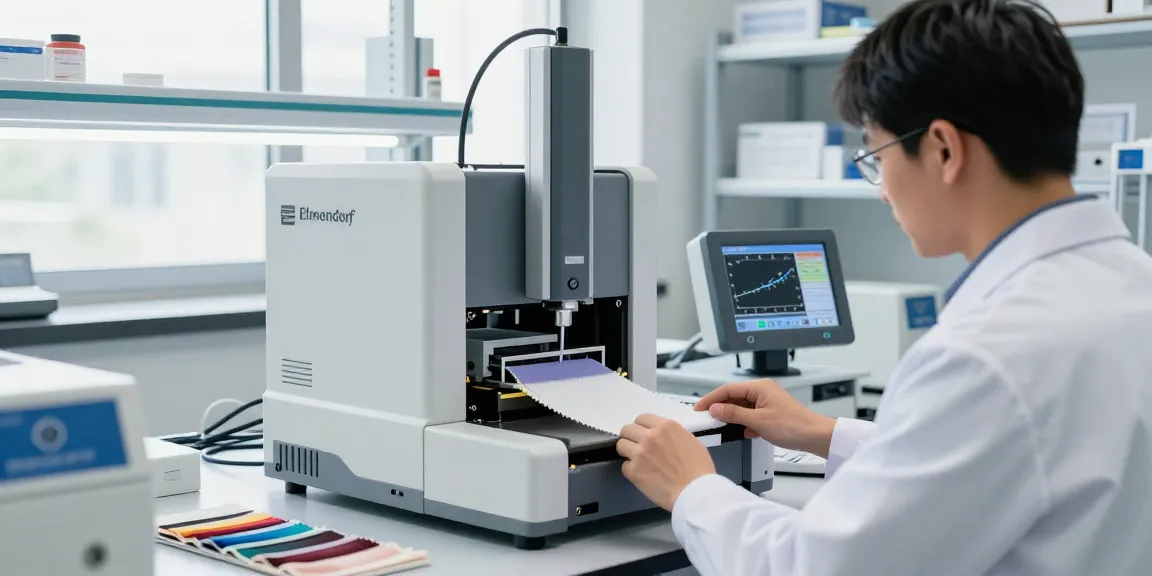
Understanding the Elmendorf Tearing Strength Tester
The Elmendorf Tearing Strength Tester is an essential instrument in the textile and materials testing industry, designed to measure the tearing resistance of various fabrics, paper, and plastic materials. By evaluating the force required to propagate a tear, this tester is integral in ensuring that materials meet industry standards for durability and quality. When exploring options, the elmendorf tearing strength tester stands out due to its automation and precision, making it a vital tool for manufacturers and quality control laboratories alike.
What is the Elmendorf Tearing Strength Tester?
The Elmendorf Tearing Strength Tester, also widely known simply as the Elmendorf Tester, employs a pendulum method to determine the tearing strength of various materials. This precision apparatus measures the force needed to extend an existing tear in a fabric sample, providing vital data for quality control and product development across numerous industries.
Typically used within textile labs, packaging sectors, and paper manufacturing, the tester adheres to international testing standards, including ISO 13937-1 and ASTM D 1424. Its capabilities are instrumental for companies looking to ensure their products can withstand physical stresses during handling and use.
Principle of Operation of the Tester
The operational principle of the Elmendorf Tester is based on the ballistic pendulum method. A sample is securely clamped and a notch is created at the center. Once the pendulum is released, it swings down, tearing the sample along the predetermined notch. The energy lost during the swing correlates directly to the tearing strength of the material. Through this method, reliable and consistent measurements are obtained, which are crucial for assessing the performance of materials in real-world applications.
Key Applications and Industries
The Elmendorf Tearing Strength Tester is utilized across diverse sectors, including:
- Textile Manufacturing: For evaluating fabrics used in clothing, upholstery, and other textile applications.
- Packaging: Assessing the durability of packaging materials to ensure they resist tearing during shipping and handling.
- Paper Industry: Measuring the tear resistance of various types of paper products.
- Research and Development: Used by academic institutions and companies for fabric and material research.
- Quality Control: Essential for quality assessments to ensure compliance with industry standards.
Features of the ElmenGuide Elmendorf Tearing Strength Tester
Automated Testing Benefits
The ElmenGuide Elmendorf Tearing Strength Tester is fully automated, significantly enhancing the efficiency and accuracy of tear testing. This automation allows the tester to adjust measurement parameters according to the weight of the material, eliminating manual errors and saving valuable time during testing procedures.
Accuracy and Compliance with Global Standards
One of the standout features of the ElmenGuide is its impressive accuracy, achieving measurements with a precision of ±0.2%. This high level of accuracy is critical for compliance with international testing standards, ensuring that materials meet the required specifications for safety and performance.
User-Friendly Design for Efficient Operation
The user interface of the ElmenGuide has been designed with simplicity in mind. With an ergonomic design, even new technicians can operate the tester with ease. The intuitive setup minimizes learning curves and increases worker efficiency, making it an ideal choice for laboratories. Moreover, the incorporation of a dual-button activation system enhances safety, keeping operators at a distance from the pendulum’s path.
Comparing the ElmenGuide with Traditional Elmendorf Testers
Precision: Analyzing Accuracy Differences
While traditional Elmendorf testers provide reliable data, their accuracy may vary significantly depending on manual setups and operator expertise. In contrast, the ElmenGuide’s automated systems minimize human error and maintain consistent accuracy, making it a superior choice for high-stakes testing environments.
Cost-Effectiveness and Efficiency
Investing in an automated Elmendorf tester like the ElmenGuide can lead to cost savings over time. The reduction in manual labor required for setup and calculations allows companies to streamline their operations, resulting in faster testing cycles and a higher throughput of samples.
Technological Advancements in Testing
The ElmenGuide integrates advanced technology, including IoT capabilities that allow users to monitor tests remotely and analyze data in real time. This represents a significant upgrade from traditional methods, which often rely on manual logging and analysis.
Implementing Effective Testing Protocols
Step-by-Step Guide to Using the Tester
To effectively utilize the Elmendorf Tearing Strength Tester, follow these steps:
- Prepare the sample by cutting it to the required dimensions and notching it.
- Clamp the sample securely in place within the tester.
- Set the appropriate test parameters based on the material’s specifications.
- Release the pendulum to conduct the test.
- Record the results displayed by the tester.
- Analyze the data and compare it with industry standards.
Common Challenges in Tear Testing
Testing tear strength can yield inconsistent results if sample preparation is inadequate or if the testing conditions vary significantly. Environmental factors, such as humidity and temperature, can also affect testing outcomes, making it essential for users to maintain controlled testing environments.
Best Practices for Accurate Results
To ensure the most reliable testing outcomes, consider the following best practices:
- Ensure consistent sample preparation methods to maintain uniformity.
- Calibrate the tester regularly to uphold accuracy.
- Follow the established testing protocols strictly to avoid deviations.
- Train all operators thoroughly on the use and maintenance of the equipment to reduce variability.
Future Trends in Tear Testing Technology
Innovations to Watch in 2026
As technology continues to evolve, the future of tear testing will likely see further advancements in automation and data integration. Innovations such as AI-driven analysis and enhanced sensory feedback mechanisms will make it easier for operators to interpret complex data sets and improve testing accuracy.
Integration with IoT and Digital Solutions
The integration of IoT technology within testing equipment will provide real-time data access, enabling remote monitoring and instant reporting. This connectivity can streamline operations and facilitate more efficient quality control processes.
Impact of Emerging Standards on Testing Equipment
As new industry standards emerge, testing equipment must adapt to meet these requirements. Organizations that invest in versatile and compliant Elmendorf testers will be better positioned to navigate regulatory changes and maintain product quality.
How to Maintain Your Elmendorf Tearing Strength Tester?
Maintenance of the Elmendorf Tester is crucial for accurate performance. Regularly check and calibrate the equipment, clean it after each use, and inspect for wear or damage to the components. Following these practices will enhance the lifespan of the tester.
Where to Buy the Best Elmendorf Tearing Strength Tester?
Purchasing a high-quality Elmendorf Tearing Strength Tester involves researching reputable suppliers who provide instruments that meet established quality and safety standards. Consider manufacturers with proven track records in the testing equipment industry.
What are the Calibration Standards for Elmendorf Testers?
Calibration standards for Elmendorf testers are typically guided by international standards such as ISO 13937-1 and ASTM D1424. Regular calibration according to these guidelines ensures that testing results are consistent and valid.
How Does the Tester Compare with Other Testing Methods?
The Elmendorf Tearing Strength Tester is often compared to other testing methods, such as the Grab Test or the Tensile Test. While each method has its unique advantages, the Elmendorf tester is favored for its precision and ease of use, making it suitable for a variety of material types.
What are the Key Metrics in Tear Strength Testing?
Key metrics in tear strength testing include the maximum force required to propagate the tear, measured in newtons (N), and the energy given to the material during the test. Understanding these metrics is vital for assessing material suitability for specific applications.