
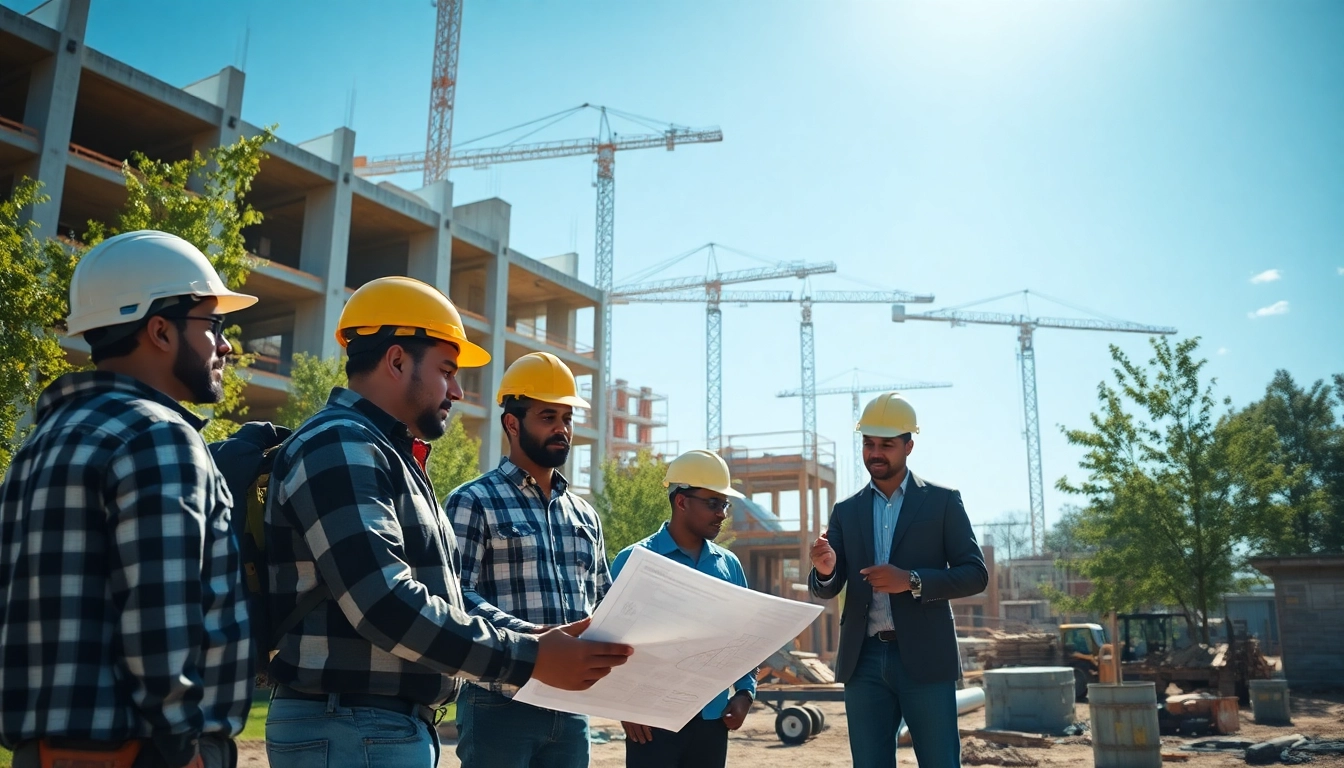
Introduction to Carolinas Construction Practices
The Carolinas construction landscape has seen remarkable growth and evolution over recent years. Known for its stunning landscapes and vibrant cities, both North and South Carolina are actively investing in infrastructure, residential developments, and commercial projects. The unique blend of historical significance and modern advancements makes the region a fascinating study for those involved in the construction industry. With a commitment to innovation, sustainability, and efficiency, this article explores the key elements shaping Carolinas construction, including trends, best practices, and regulatory frameworks.
Overview of Construction Trends
Understanding the current trends in Carolinas construction is crucial for stakeholders looking to succeed in this competitive market. Over the past few years, the state has experienced an increased focus on urbanization, mixed-use developments, and sustainable building practices. One of the prominent trends is the rise of smart buildings, integrating technology into design and construction to improve energy efficiency and overall functionality.
Moreover, the surge in population has resulted in a higher demand for housing, leading to significant residential projects. The focus on affordable housing solutions is also a considerable trend, shaped by economic shifts and community needs. These elements collectively inform the construction sector’s future, emphasizing adaptation and sustainability.
Key Players in the Carolinas Construction Market
The Carolinas construction market is characterized by a diverse array of players, from large contractors and development firms to local artisans and service providers. Major construction firms are instrumental in large-scale projects, while smaller companies often focus on niche markets, such as renovations and custom builds. Collaboration among these various stakeholders enhances project delivery, fostering an environment where innovation thrives.
Trade associations and local government also play a pivotal role in shaping the industry, offering resources, training, and regulatory guidance to ensure high standards are maintained. As these entities work together, the productivity and efficiency of Carolinas construction continue to improve.
Regulatory Environment Impacting Construction
The regulatory landscape in the Carolinas significantly impacts construction practices, determining everything from building codes to environmental protections. County and city regulations may vary, necessitating a thorough understanding of local requirements for any construction project.
Adhering to regulations not only ensures compliance but also enhances project safety and sustainability. Builders are encouraged to stay up-to-date with changing laws, such as zoning laws and licensing requirements, to avoid costly delays or penalties.
Best Practices for Project Management
Effective project management is the cornerstone of successful construction projects in the Carolinas. By adopting best practices, project managers can streamline operations, ensure timely delivery, and optimize resource allocation.
Planning and Design Considerations
Planning and design are critical phases that set the foundation for project success. In the Carolinas, embracing collaborative design methods can enhance stakeholder input and ensure that projects meet community needs. Incorporating technology, such as Building Information Modeling (BIM), can facilitate better visualization and planning, reducing the likelihood of costly errors during the construction phase.
Additionally, engaging with community members early in the design process helps identify potential concerns and allows for adjustments that accommodate local perspectives, ultimately leading to higher approval rates for projects.
Risk Management in Carolinas Construction
Identifying and managing risk is vital for the success of any construction project. The Carolinas construction sector faces various risks, including weather-related delays, regulatory shifts, and budget overruns. Establishing a comprehensive risk management plan allows project managers to identify potential issues early and devise mitigation strategies.
Regular assessments and the use of risk management software can support decision-making and ensure that teams can respond swiftly to unforeseen challenges. Moreover, fostering a culture of safety within the team can minimize accidents and enhance project resilience.
Effective Communication Strategies
Clear communication among all project stakeholders is essential for reducing misunderstandings and promoting collaboration. Utilizing project management tools can enhance communication by providing real-time updates and enabling documentation sharing. Regular check-ins and feedback loops ensure that everyone is aligned with project goals and timelines.
Moreover, establishing clear lines of communication helps in managing stakeholder expectations, making it easier to tackle conflicts when they arise and ensuring project momentum is maintained.
Sustainable Materials and Techniques
The shift towards sustainability is not just a trend but a necessity in the Carolinas construction industry. As stakeholders increasingly recognize the environmental impacts of construction, sustainable materials and techniques are gaining traction.
Benefits of Green Building in Carolinas Construction
Embracing green building practices offers several advantages, including reduced energy consumption, lower utility costs, and enhanced occupant well-being. Structures that incorporate eco-friendly materials and technologies often have a higher resale value and attract environmentally conscious buyers.
Furthermore, sustainable buildings are typically subject to fewer regulatory hurdles and can often qualify for incentives, such as tax credits, which can significantly offset construction costs.
Innovations in Sustainable Materials
Innovative materials, such as recycled steel, bamboo, and reclaimed wood, are transforming the Carolinas construction landscape. These materials not only reduce environmental impact but often come with enhanced performance characteristics.
Additionally, advancements in insulation materials, like cellulose and spray foam, contribute to improved energy efficiency while promoting overall occupant comfort. Embracing such innovations can differentiate projects in the competitive market while aligning with growing sustainability goals.
Case Studies of Successful Sustainable Projects
Examining successful sustainable projects provides valuable insights for future initiatives. For instance, mixed-use developments that integrate green spaces have demonstrated enhanced livability and community engagement. Additionally, projects harnessing solar energy have proven economically viable, offsetting energy costs while reducing ecological footprints.
By studying these cases, builders and developers can identify best practices for implementing sustainable strategies effectively into their future projects.
Safety Measures and Regulations
Ensuring safety on construction sites is paramount for all stakeholders involved. The Carolinas construction sector has robust safety measures and regulations in place to mitigate risks and protect workers.
Importance of Safety Protocols on Site
Safety protocols play a critical role in reducing accidents and fatalities on construction sites. Establishing a safety culture involves regular training sessions and adherence to guidelines prescribed by local and federal laws, ensuring all workers are aware of best practices.
Focusing on hazard identification and proper equipment usage is essential for fostering a safe working environment where employees can perform their jobs confidently.
Training and Certification Requirements
Training and certification are critical components of workforce development within Carolinas construction. Employees are required to complete safety training courses, covering topics such as fall protection, equipment handling, and emergency response procedures. Certification ensures workers are equipped with the knowledge needed to navigate the complexities of construction safely.
Furthermore, ongoing training initiatives help keep workers updated on the latest practices and technologies, further reinforcing safety standards across the industry.
Monitoring Safety Compliance
Regular site inspections and audits are crucial for monitoring safety compliance. Dedicated safety officers should conduct routine checks to ensure adherence to established safety protocols and identify areas for improvement. Utilizing digital tools can aid in tracking compliance and documenting safety incidents, ultimately fostering a proactive safety culture.
Additionally, encouraging open communication regarding safety concerns among workers can lead to quicker identification and resolution of potential issues before they escalate.
Future Outlook for Carolinas Construction
The Carolinas construction industry is at a pivotal point, with emerging technologies and economic trends shaping its future. Understanding these aspects presents opportunities for growth and adaptation.
Emerging Technologies in Construction
Technological advancements, such as the use of drones, 3D printing, and AI, are revolutionizing the Carolinas construction landscape. Drones are often employed for site surveys and inspections, offering a cost-effective and efficient means of capturing high-resolution imagery.
3D printing is pushing boundaries in building components production, enabling quicker and more customized solutions. Moreover, AI-driven data analysis helps stakeholders make informed decisions regarding project management and resource allocation.
Impact of Local Economy on Construction Trends
The health of the local economy significantly influences construction trends in the Carolinas. Economic factors, such as employment rates and income levels, directly affect housing demand and commercial developments. As the economy strengthens, investment in infrastructure and residential projects typically increases, promoting further growth in the construction sector.
Stakeholders must remain aware of these economic indicators to effectively strategize and capitalize on market opportunities.
Opportunities for Growth in the Construction Sector
With sustainability, technology, and population growth driving the Carolinas construction future, numerous opportunities are emerging. Builders who embrace green technologies and innovative construction methods are likely to thrive in this evolving landscape.
Furthermore, partnerships with local governments and organizations can lead to sizable projects, particularly in urban development and infrastructure improvements. Companies that can adapt to market demands and focus on collaborative practices will be well-positioned for future success in the Carolinas construction market.
Frequently Asked Questions
What are common materials used in Carolinas construction?
Many projects utilize brick, wood, and eco-friendly materials like recycled steel, ensuring they meet both aesthetic and functional requirements.
How do regulations affect Carolinas construction?
Regulations ensure safety and sustainability, impacting project design, execution, and the materials used in construction, shaping the overall building process.
What are some benefits of sustainable construction?
Sustainable techniques reduce waste, improve energy efficiency, enhance project longevity, lower operating costs, and ultimately contribute to a healthier environment.
What safety measures should be prioritized in construction?
Focus on personal protective equipment, comprehensive training, hazard assessments, and regular audits to ensure site safety and compliance with standards.
How is technology changing Carolinas construction?
Advancements like drones and 3D modeling increase efficiency, accuracy, and safety in project execution, leading to cost savings and improved project outcomes.