
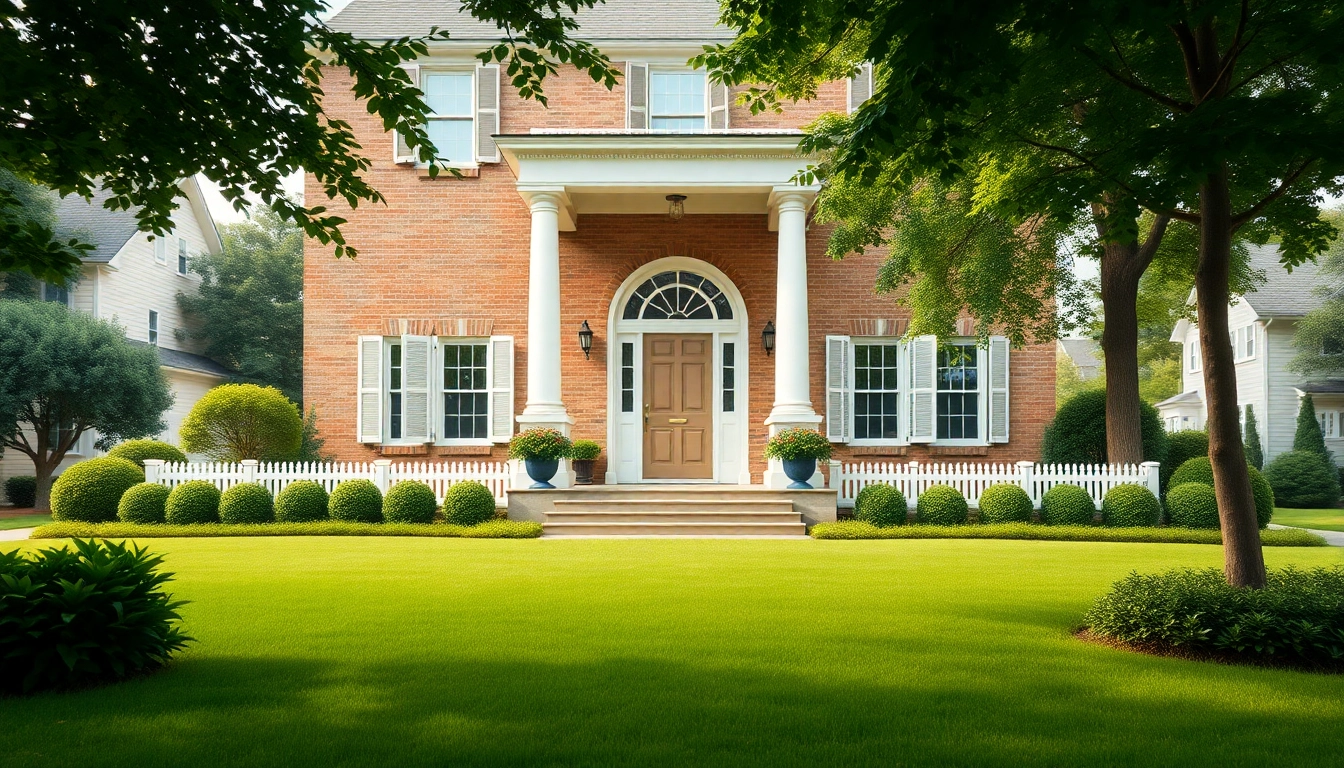
Understanding Colonial Home Renovation
What is Colonial Home Renovation?
Colonial home renovation refers to the process of updating, restoring, or enhancing colonial-style homes while preserving their historical and architectural significance. These residences, which originated in the early American colonial period, are characterized by their distinct styles, symmetrical facades, and unique craftsmanship. Renovation projects aim to modernize amenities and enhance aesthetic appeal while maintaining the essence of the original design. For homeowners interested in transforming their living space, focusing on colonial home renovation can yield impressive results that honor tradition while embracing contemporary lifestyles.
Benefits of Renovating Colonial Homes
Renovating colonial homes offers a plethora of advantages, ranging from architectural appreciation to increased property value. Firstly, preserving colonial homes contributes to maintaining cultural heritage. Such renovations celebrate history while providing modern comfort, making the homes livable for future generations. Moreover, a well-planned renovation can enhance energy efficiency by introducing modern insulation and energy-efficient systems, reducing overall utility costs. Finally, renovated homes tend to fetch higher market values, appealing to future buyers who desire charm and character.
Common Features of Colonial Architecture
Colonial architecture embodies several defining features that characterize the homes built during that period. These can include:
- Symmetrical Facade: Typically, colonial homes feature a centered front door flanked by evenly spaced windows, creating a balanced appearance.
- Gable Roofs: Many colonial homes have steeply pitched gable roofs that not only add to their visual aesthetics but also help with water drainage.
- Colonial Trim and Moldings: Intricate woodwork is often found around windows, doors, and corners, adding to the home’s style.
- Fireplaces: A hallmark of colonial architecture, large central fireplaces were practical for heating and cooking.
- Porches: Many colonial homes boast expansive porches that serve as outdoor living spaces.
Planning Your Colonial Home Renovation
Setting a Renovation Budget
Establishing a realistic budget is vital to the success of any renovation project. Begin by conducting a thorough assessment of the current condition of your home, identifying areas that require immediate attention and those that can be addressed later. Account for architectural enhancements, structural repairs, and modern updates when calculating costs. Additionally, consider setting aside an emergency fund to accommodate unexpected expenses that often arise during renovation projects.
Choosing the Right Contractors
Choosing skilled contractors is crucial when renovating a colonial home. Look for professionals with experience in dealing with historical architecture who understand the nuances that come with such projects. Seek recommendations from friends or family, or consult online reviews. It’s beneficial to interview multiple contractors, review their portfolios, and check references to ensure they align with your vision and budget.
Permits and Regulations to Consider
Before commencing renovations, homeowners must be aware of local building regulations and the permits required for such projects. Historic homes may have specific preservation guidelines or restrictions mandated by local historical societies or government. Acquiring the necessary permissions ensures compliance with regulations and helps avoid potential legal issues during or after construction.
Design Tips for Colonial Home Renovation
Maintaining Architectural Integrity
Maintaining architectural integrity is pivotal when undertaking a colonial home renovation. Ensure that any renovations such as window replacements or additions adapt to the home’s original design. Consult historical resources or restoration professionals for guidance on accurate materials and proportions. This attention to detail preserves the home’s character and adds to its historical value.
Integrating Modern Amenities
Homeowners often aspire to blend modern conveniences with classical designs. Consider updating features such as kitchens and bathrooms with modern appliances, fixtures, and smart home technology while keeping the historical charm intact. Incorporate hidden modern elements into the design, such as underfloor heating or smart lighting systems, ensuring that their presence does not detract from the overall aesthetic of the home.
Choosing Color Schemes and Materials
When selecting color schemes and materials for your renovation, aim for hues that complement the colonial home’s original palette. Traditional colonial colors often include muted tones like soft blues, greens, and warm neutrals. Use authentic materials such as wood, brick, and stone to honor the time period. When choosing paint and finishes, opt for high-quality, eco-friendly products that enhance both durability and aesthetic appeal.
Executing Your Colonial Home Renovation
Project Timeline and Management
A successful renovation requires a well-defined timeline and efficient project management. Collaborate with your contractor to establish a timeline that outlines each phase of the renovation process. Regular check-ins and adjustments to the schedule may be necessary to accommodate any unexpected delays or challenges. Clear communication ensures that everyone involved understands their responsibilities and the project’s timeline.
Common Challenges and Solutions
Renovating a colonial home can present several challenges, from structural issues to the complexities of sourcing authentic materials. Common issues include hidden water damage, outdated electrical systems, or inadequate plumbing. To address these challenges, start with a comprehensive inspection of the property; this allows you to identify potential problems before the renovation begins. Develop a plan to tackle these issues methodically. Moreover, acquiring authentic materials may require extra time or be costlier; thus, patience and flexibility are essential.
Post-Renovation Inspections
After completing the renovation, conducting a post-renovation inspection is crucial to ensure that all work meets quality standards and adheres to regulations. Invite contractors to walkthrough to address any concerns and verify that the renovations fulfill your expectations. This final inspection will solidify a satisfactory completion and prepare your colonial home for showcasing.
Showcasing Your Colonial Home Renovation
Before-and-After Photography
Capturing before-and-after photography is an excellent way to illustrate the transformation of your colonial home. Quality images reveal the extent of renovations, showcasing the architectural integrity restored and enhancements made. These visuals can be utilized in various formats, such as online galleries, printed materials, or social media, attracting potential buyers or simply celebrating your successful project.
Hosting Open Houses or Tours
Hosting open houses or tours post-renovation allows you to share your renovated colonial home with the community or potential buyers. These events are fantastic opportunities to display the craftsmanship put into your home while providing insights into your renovation journey. This personal touch makes the experience memorable and may increase interest in your property.
Gathering Client Testimonials
As you showcase your renovation, collecting testimonials from clients or guests who appreciate the transformation can enhance your reputation. Requesting feedback about the design process, functionality, and aesthetic appeal can provide invaluable insights. Share these testimonials along with your before-and-after images to encourage engagement and interest in your colonial home renovation.
FAQs
What are the costs associated with colonial home renovations?
Costs vary widely depending on the renovation scope, but a detailed budget should include materials, labor, and permits. Expect unexpected expenses to increase the final cost.
How can I preserve the historical aspects of my colonial home?
Consult with restoration experts, use period-appropriate materials, and maintain original features such as molding and structural integrity for successful preservation.
Are permits always necessary for renovations?
Yes, most renovations require permits to ensure compliance with building codes. It’s essential to check local regulations before starting any project.
How can I modernize my colonial home without losing its character?
Introduce modern amenities discreetly, preserving essential architectural features. Careful design choices help ensure a balanced blend of old and new.
What is the best way to choose a contractor for my renovation?
Seek contractors with experience in historic renovations, check references, and review their portfolios. An interview can help assess their understanding of your needs.