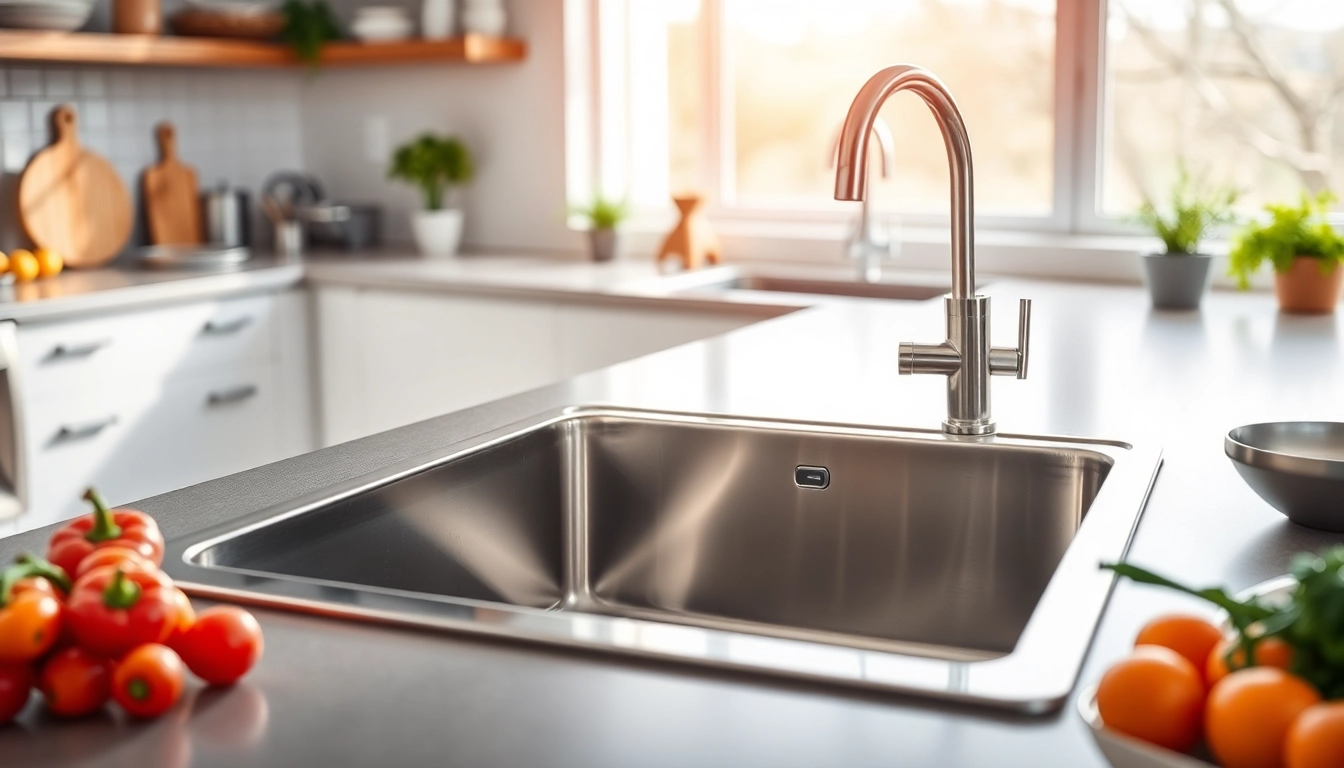
Introduction to Kitchen Sinks in Stainless Steel
When designing or upgrading your kitchen, the choice of sink plays a crucial role in both functionality and aesthetics. Among the options available, the kitchen sink in stainless steel stands out for its blend of durability, style, and ease of maintenance. This article delves deep into the advantages, styles, and features of stainless steel sinks, helping you make an informed decision for your home.
Why Choose Stainless Steel?
Stainless steel is a popular material for kitchen sinks due to its unique set of properties. It is robust, resistant to rust and corrosion, and can withstand high temperatures, making it particularly suitable for the kitchen environment. Unlike other materials, stainless steel does not chip, crack, or stain easily. Its non-porous surface inhibits the growth of bacteria, making it a hygienic option for food preparation areas. Furthermore, stainless steel’s sleek appearance complements various kitchen designs, from modern minimalism to classic styles.
Benefits of Kitchen Sinks in Stainless Steel
- Durability: Stainless steel sinks are built to last, enduring the daily wear and tear from cooking and cleaning tasks.
- Hygiene: The non-porous nature of stainless steel allows for easy cleaning, preventing the buildup of germs and bacteria.
- Variety of Styles: Available in numerous designs, from single bowls to multi-compartment formats, catering to different needs and preferences.
- Heat Resistance: Unlike materials such as plastic or porcelain, stainless steel can withstand high temperatures without warping or cracking.
- Eco-Friendly: Stainless steel is recyclable and reduces the need for frequent replacements, making it a sustainable choice.
Popular Styles and Designs
The design of your kitchen sink can significantly influence the overall feel of your kitchen. Popular styles include:
- Single Bowl Sinks: These are spacious and perfect for large pots and pans. They are streamlined and can often fit into smaller kitchens.
- Double Bowl Sinks: Ideal for multitasking with one side for washing and the other for rinsing, making food preparation more efficient.
- Farmhouse Sinks: Known for their deep basin and exposed front, these sinks add a rustic charm to kitchen aesthetics.
- Bar Sinks: Smaller than standard kitchen sinks, bar sinks are suitable for smaller spaces and are often used in entertaining areas.
Factors to Consider When Selecting a Kitchen Sink
Choosing the right sink requires careful consideration of various factors to ensure it meets your kitchen’s needs effectively.
Size and Depth Considerations
When selecting a sink, it’s essential to evaluate the available space in your kitchen. The size of the sink should correlate with your kitchen layout and cabinetry. A larger sink can provide ample space for washing bigger items, but it may require more counter space. The depth is also crucial; deeper sinks can accommodate larger pots and allow for submerged cleaning but may require a taller faucet for easy access.
Finish Options: Matte vs. Polished
The finish of your stainless steel sink can affect its appearance and maintenance needs. Matte finishes tend to hide fingerprints and water spots better than polished ones, providing a cleaner look with less maintenance. However, polished finishes offer a reflective surface that can enhance the kitchen’s brightness but may require more regular cleaning to maintain its shine.
Mounting Styles: Top-Mount, Undermount, and Farmhouse
The mounting style you choose can impact both installation and overall kitchen aesthetics:
- Top-Mount: This style sits on top of the countertop, making it easier to install and replace but can lead to dirt accumulation around the edges.
- Undermount: Installed beneath the countertop, this style offers a seamless look and allows for easier cleaning as there’s no lip to catch debris.
- Farmhouse: These sinks are typically larger and are designed to expose a front panel, adding a distinctive design element to the kitchen.
Installation Process for Kitchen Sink in Stainless Steel
Installing a stainless steel kitchen sink can be a manageable project for those with basic DIY skills. Understanding the necessary tools and steps can streamline the process.
Tools and Materials Needed
- Adjustable wrench
- Screwdriver
- Plumber’s putty
- Silicone sealant
- P-trap assembly
- Basket strainer
Step-by-Step Installation Guide
- Prepare the Countertop: Ensure the countertop is clean and free of any debris.
- Check the Sink Size: Verify that the sink fits properly into the cutout in the countertop.
- Attach the Faucet: It’s often easier to install the faucet on the sink before placing the sink into the countertop.
- Connect the Drain: Apply plumber’s putty to the strainer and install it into the sink.
- Secure the Sink: Using mounting clips, secure the sink to the countertop from beneath.
- Connect the Plumbing: Reconnect the P-trap and ensure there are no leaks.
- Seal Edges: Use silicone sealant to seal the edges of the sink for a finished look.
Common Mistakes to Avoid
- Failing to measure the cutout correctly can lead to a poorly fitting sink.
- Not applying enough plumber’s putty can result in leakage.
- Forgetting to secure the sink properly may lead to movement and strain on the plumbing connections.
Maintaining Your Kitchen Sink in Stainless Steel
To ensure the longevity and appearance of your stainless steel sink, proper maintenance is essential.
Regular Cleaning Tips
For day-to-day cleaning, simply wipe your sink with warm soapy water and a soft cloth. Avoid abrasives that can scratch the surface, and instead, use non-abrasive sponges or cloths to maintain a polished look. Rinsing after each use can prevent staining over time.
Dealing with Stains and Scratches
For more stubborn stains, create a paste of baking soda and water, apply it to the stained area, and gently scrub. Minor scratches can often be buffed out using a soft cloth along the grain of the stainless steel. Avoid using steel wool or scouring pads that can cause irreversible damage.
Long-Term Care and Maintenance
Consider applying a stainless steel cleaner periodically to restore luster and provide additional protection against water spots and fingerprints. Additionally, routinely check the plumbing connections beneath the sink for leaks and make necessary adjustments to maintain optimal function.
FAQs About Kitchen Sinks in Stainless Steel
What is the lifespan of a stainless steel sink?
A stainless steel sink can last for decades with proper care, making it a durable choice.
Are stainless steel sinks easy to clean?
Yes, they are low-maintenance and can be cleaned easily with mild detergent and water.
Do I need a special cleaner for stainless steel sinks?
No special cleaner is needed; a simple soap solution works well for daily cleaning.
Can scratches be removed from stainless steel sinks?
Minor scratches can be buffed out with a soft cloth and a non-abrasive cleaner.
What’s the best finish for a stainless steel kitchen sink?
It depends on personal preference; brushed finishes hide water stains better than polished.