Understanding Cape Cod Homes
History and Architectural Features
The story of Cape Cod homes dates back to the early 1600s when English settlers first established their presence in the New World. Inspired by the quaint but practical structures of their homeland, these early settlers developed the Cape Cod house as a remedy to the harsh weather conditions of the Northeast. Typically one or one-and-a-half stories tall, the traditional design features a steep, pitched roof to effectively shed snow and a central chimney for efficient heating.
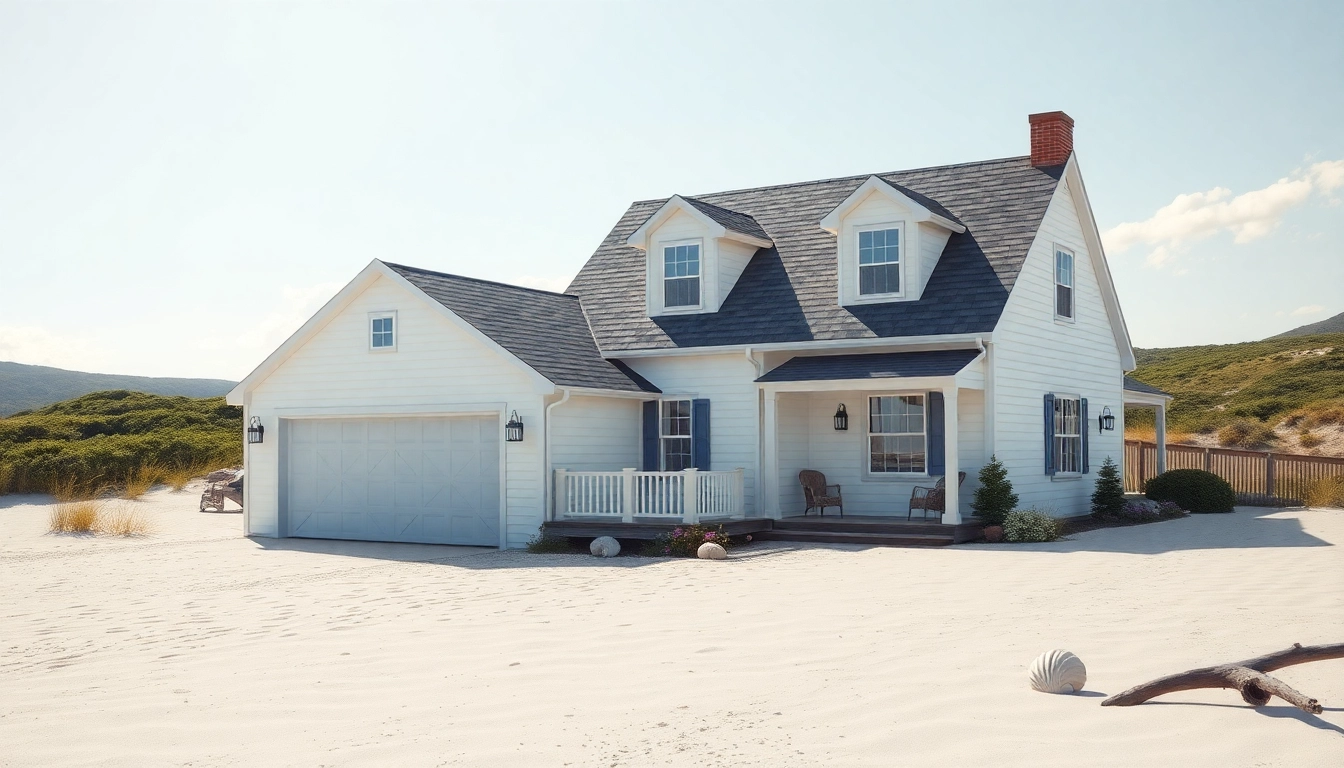
Architecturally, Cape Cod homes are characterized by their symmetrical facades, gabled roofs, and dormer windows. These features not only reflect the practicality dictated by the environment but also evoke a distinct New England charm. White clapboard siding is a common exterior choice, contrasting beautifully with darker shutters. The entryway is often adorned with a simple porch, providing a warm welcome to guests and reflecting the homey ethos that defines these residences.
Materials and Design Elements
When considering the construction of cape cod homes, natural materials play a pivotal role. Wood, especially cedar and pine, is frequently employed for both structural and aesthetic purposes. The use of wood not only aligns with the coastal environment but also ensures durability against salt and moisture.
Furthermore, the design elements of Cape Cod homes emphasize functionality while maintaining sleek aesthetics. These homes often incorporate built-in furniture—such as bookshelves and benches—maximizing space without sacrificing style. Interior finishes like wood paneling and wide plank floors enhance warmth, while large windows invite natural light, blurring the lines between indoor and outdoor spaces.
Modern Adaptations of Traditional Styles
In recent years, modern adaptations of Cape Cod homes have emerged, marrying traditional elements with contemporary design sensibilities. Homeowners are now opting for open floor plans that foster a seamless flow through living spaces, a significant departure from the compartmentalized layouts of the past. Additionally, larger windows and sliding glass doors have become popular features, allowing for panoramic views and easy access to outdoor living areas.
Sustainability is another significant influence on modern Cape Cod designs. Homeowners are increasingly incorporating energy-efficient materials and systems, solar panels, and advanced insulation techniques while maintaining the aesthetic that defines their homes. By blending modern comforts with Cape Cod’s rich heritage, these adaptations allow new generations to appreciate and enjoy the charm and functionality of traditional designs.
Benefits of Attached Garages
Convenience and Accessibility
One of the most compelling benefits of an attached garage to a Cape Cod home is convenience. Having direct access to a garage means homeowners can easily retrieve items without braving the elements, whether it’s a cold winter morning or a rainy day. This feature is particularly advantageous for families with young children or elderly members, as it minimizes exposure to outdoor conditions.
Impact on Property Value
Investing in an attached garage can also enhance the property value of Cape Cod homes. Real estate statistics indicate that homes with garages typically command higher prices on the market. The added utility and security an attached garage provides can be attractive to potential buyers, particularly in regions where inclement weather is common. Moreover, a garage increases the square footage of the home, which positively affects appraised values.
Design Versatility for Customization
Another advantage of attached garages is design versatility. Homeowners can customize their garages to suit personal preferences, such as adding workspace for hobbies or utilizing the space for storage. They can also match the architectural style of their Cape Cod home, ensuring an integrated and aesthetically pleasing look. By allowing flexibility in design, attached garages can elevate the overall appeal of the home.
Designing Your Own Cape Cod Home
Key Considerations for Homeowners
Designing a Cape Cod home involves thoughtful planning and consideration. Homeowners should assess their lifestyle needs, preferences, and budget before embarking on their architectural journey. Selecting the right lot is paramount; factors such as views, sunlight exposure, and proximity to amenities can significantly impact the final design. Furthermore, understanding local building codes and regulations is crucial to ensure compliance and optimize the design process.
Incorporating Sustainable Practices
With an increasing focus on environmental responsibility, incorporating sustainable practices into the design of Cape Cod homes is gaining traction. Homeowners can select energy-efficient appliances, implement water-saving fixtures, and use sustainable materials during construction. Additionally, integrating green spaces and native landscaping further supports an eco-friendly approach while maintaining the aesthetic heritage of Cape Cod homes.
Working with Local Architects and Designers
Partnering with local architects and designers who have expertise in Cape Cod architecture can streamline the design process. These professionals understand the nuances of traditional styles and can offer valuable insights into modern adaptations. Collaborating with local talent ensures that the design resonates with the community and reflects the true spirit of Cape Cod homes.
Landscaping Ideas for Cape Cod Homes
Creating Coastal Gardens
Landscaping is an integral aspect of enhancing the charm of Cape Cod homes. Coastal gardens filled with native plants, grasses, and colorful flowers can create a vibrant outdoor space that mirrors the beauty of the Atlantic coastline. Homeowners can utilize hardy plants that withstand salty air and sandy soil, ensuring both aesthetics and sustainability.
Using Native Plants for Sustainability
Opting for native plants not only enhances the visual appeal but also encourages local biodiversity and reduces maintenance requirements. Plants like beach roses, blueberry bushes, and New England asters flourish in Cape Cod’s climate and require minimal irrigation. Additionally, they provide habitats for pollinators, contributing to a healthy ecosystem.
Outdoor Living Spaces That Enhance Curb Appeal
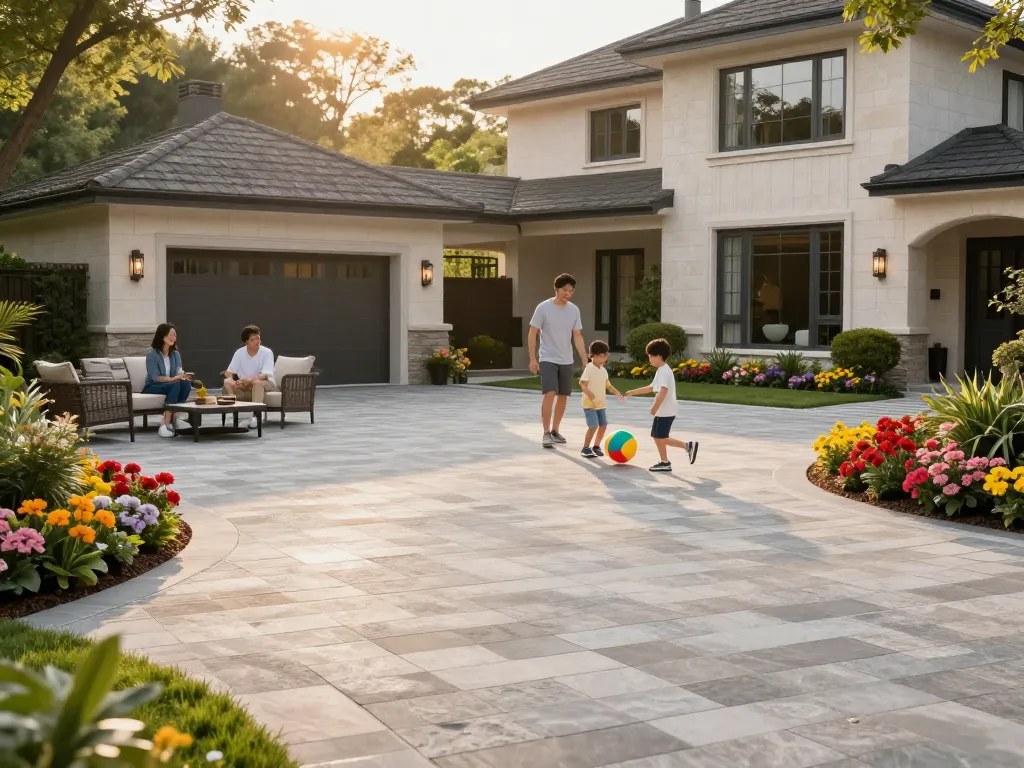
Developing outdoor living spaces that complement Cape Cod homes fosters a harmonious blend of nature and architecture. Consider incorporating patios, pergolas, or decks that serve as extensions of the indoor living area. Outdoor kitchens and fire pits can create inviting spaces suitable for entertaining while enhancing overall curb appeal. Thoughtfully designed outdoor spaces encourage connections with nature and enrich the living experience.
FAQs about Cape Cod Homes
What distinguishes a cape cod home?
A cape cod home is known for its steep roof, symmetrical design, and dormer windows, embodying rustic charm and coastal aesthetics.
Are attached garages necessary for cape cod homes?
While not essential, attached garages offer convenience, protection from the elements, and additional storage space for homeowners.
Can I customize my cape cod home design?
Absolutely! Many homeowners choose to personalize their cape cod homes with unique architectural features and interior layouts.
What landscaping suits cape cod homes best?
Coastal-inspired landscaping with native plants, flower beds, and simple pathways enhances the natural beauty of cape cod homes.
What’s the average price of cape cod homes?
Prices vary based on location and size, but cape cod homes generally range from affordable to mid-high end, depending on features and design.