Understanding the Importance of Conference Tables
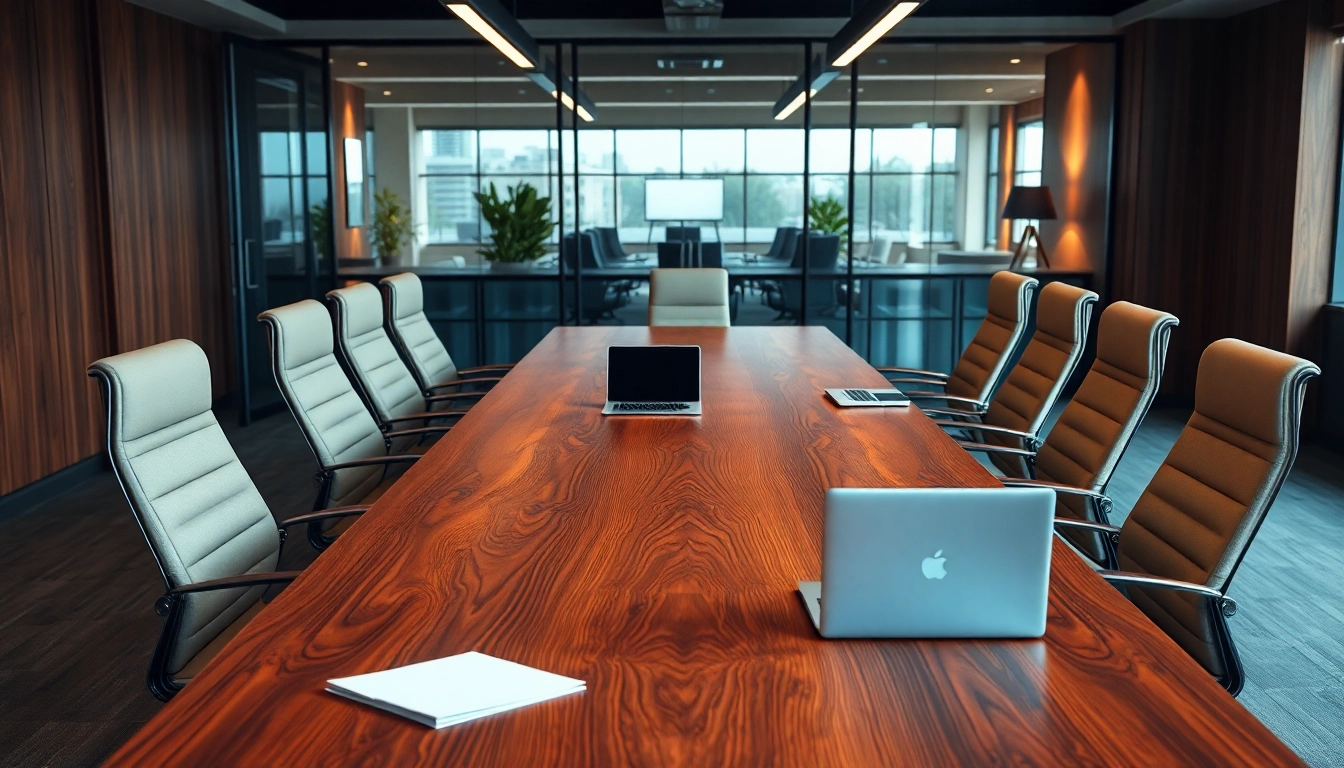
Conference tables are more than just functional pieces of furniture; they are integral to the aesthetics and functionality of any professional environment. As the focal point of meetings and discussions, a well-designed conference table can enhance collaboration, foster creativity, and significantly impact the overall atmosphere in corporate and commercial spaces. The right conference table not only fulfills a practical need but also demonstrates the values and professionalism of an organization, making it essential to choose wisely. When exploring options, Conference table solutions from reputable manufacturers can offer diverse styles and customizations that cater to unique business requirements.
The Role of Conference Tables in Business Environments
In a professional setting, conference tables serve as the venue for brainstorming sessions, strategic planning, and high-stakes negotiations. The design and quality of these tables can influence how participants engage and collaborate. A spacious, well-crafted table encourages open discussion, while an overly cramped or poorly designed table may hinder the flow of ideas. Moreover, the choice of materials and finishes can reflect a company’s branding and culture, adding to the overall impression conveyed to clients and employees alike.
Key Features of High-Quality Conference Tables
High-quality conference tables are characterized by a few essential features:
- Durability: Made from solid hardwoods, these tables are built to withstand constant use.
- Customizability: Options for size, shape, and finishes ensure that the table fits seamlessly into the intended space.
- Functional Design: Features like power outlets, wire management, and smart technology integration elevate the usability of the table.
- Aesthetic Appeal: The visual design should match the surrounding decor while being inviting and professional.
Comparing Traditional vs. Custom Conference Tables
While traditional conference tables often come in standard sizes and styles, custom tables allow businesses to tailor their furniture to specific needs. Custom tables can be designed to accommodate unique layouts, such as U-shaped or circular configurations, and can incorporate branding elements or specific technological features. This flexibility in design not only improves functionality but also reflects a company’s distinctive identity.
Customization Options for Conference Tables
Selecting the Right Materials: Wood Types Explained
Selecting the right material is crucial in crafting a conference table that not only meets aesthetic preferences but also durability requirements. Common wood types used in conference tables include:
- Walnut: Known for its rich color and grain, walnut is both durable and sophisticated.
- Maple: This wood is resistant to scratches and dents, making it ideal for high-traffic environments.
- White Oak: Celebrated for its strength and water resistance, making it a practical choice for frequent use.
- Hickory: Offers a unique look with its contrasting grains and colors, adding character to any meeting space.
Finish and Color Choices for Your Conference Table
Finish and color can dramatically alter the appearance of a conference table. Businesses can choose from a range of stains, from dark, rich tones to light, contemporary finishes, ensuring that the table complements existing decor. Protective coatings can be applied to enhance durability, resist staining, and maintain the beauty of the wood over time.
Designing a Conference Table to Fit Your Space
Successful conference table design takes into account the specific dimensions and layout of the meeting room. A well-planned design ensures enough space for movement around the table while accommodating all participants. By engaging with a manufacturer that offers custom solutions, companies can optimize their meeting spaces for both functionality and style.
Functionality and Technology Integration
Power Management Solutions for Modern Conference Tables
In today’s digital age, technology integration is vital for enhancing meetings. Conference tables can be equipped with power management solutions such as built-in outlets and USB ports, enabling seamless connectivity for laptops, projectors, and other devices. These features minimize clutter and facilitate an organized meeting environment.
Smart Features to Enhance Collaborative Meetings
Some modern conference tables include smart technology features, such as integrated video conferencing capabilities, touch screens for collaborative brainstorming, and software integrations that allow for easy sharing of content. These innovations enhance interaction and productivity during meetings, making them more effective.
Meeting Room Layouts and Conference Table Sizes
Determining the right size for a conference table is essential for effective meetings. Factors influencing the size include the number of participants, the room layout, and the types of meetings typically held. A spacious table is crucial for larger groups, while smaller tables may work well for intimate brainstorming sessions. Understanding the dynamics of meetings can help choose the most suitable table configuration.
Case Studies: Successful Conference Table Implementations
Corporate Environments: Elevating Business Meetings
Many corporations have successfully implemented custom conference tables to enhance their meeting environments. For example, a large tech company opted for a rectangular table made from reclaimed wood, featuring integrated technology for presentations. This table not only provided the necessary space for collaboration but also added a unique visual element that reflected the company’s sustainability values.
Hospitality Spaces: Designing Memorable Experiences
In the hospitality sector, conference tables are not just functional; they are also part of the experience. A hotel might use elegant, custom-made conference tables in their banquet rooms, designed to accommodate different event types while maintaining a cohesive aesthetic. This approach enhances the guest experience and complements the overall brand image.
Non-Profit Organizations: Budget-Friendly Custom Solutions
Non-profit organizations also benefit from customizable conference tables, particularly when working with limited budgets. Many opt for simpler designs that incorporate high-quality materials while remaining affordable. Custom tables can be designed to accommodate various functions, ensuring versatility for community events, board meetings, and fundraising activities.
Future Trends in Conference Table Design
Sustainable Materials and Eco-Friendly Manufacturing
With an increasing focus on sustainability, future conference table designs are expected to prioritize eco-friendly materials and manufacturing processes. This includes using sustainably sourced woods and non-toxic finishes. Companies looking to enhance their green credentials will find that choosing sustainable options not only benefits the environment but also appeals to eco-conscious clients.
Innovative Aesthetics: Blending Form and Function
The aesthetics of conference tables will continue to evolve, with innovative designs that blend modern aesthetics with functionality. Unique shapes, mixed materials, and artistic elements are expected to gain popularity, creating focal points that inspire creativity and collaboration.
Predictions for Conference Table Trends in 2026
Looking ahead to 2026, we can anticipate significant changes in the design and functionality of conference tables. Increased emphasis on health and wellness in office design may lead to more flexible and adaptable table configurations that encourage movement and interaction. Moreover, advances in technology integration will facilitate smoother, more productive meetings and foster connections between teams, regardless of location.