
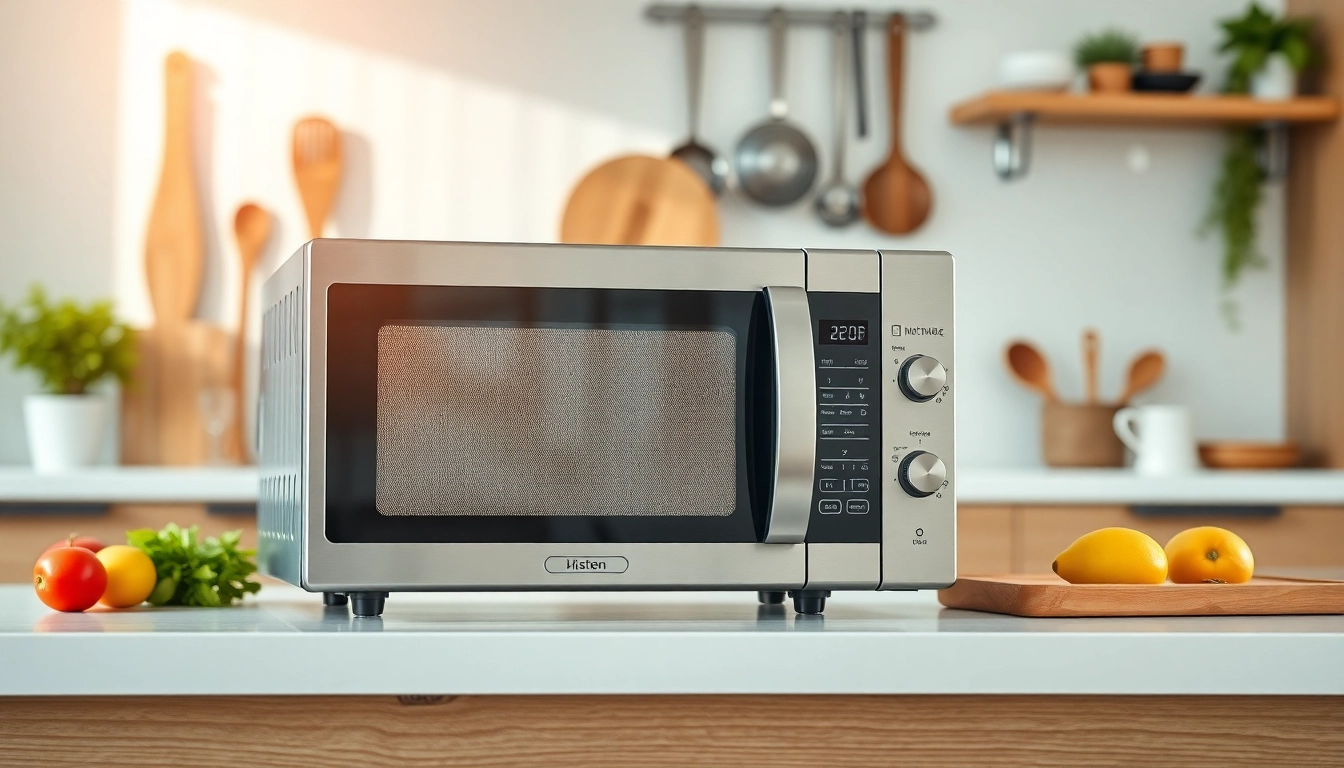
Understanding Microwave Oven Sales
In today’s fast-paced world, convenience is key, and the microwave oven stands as an epitome of modern kitchen efficiency. The surge in Microwave Oven Sales reflects a growing recognition of this versatile appliance. Understanding the dynamics influencing these sales is crucial for both consumers and retailers alike.
What Influences Microwave Oven Sales?
Several factors come into play when analyzing what influences microwave oven sales. Consumer preferences and technological advancements are at the forefront. As lifestyle changes necessitate quicker meal preparation, the demand for microwaves has risen significantly. Furthermore, marketing campaigns showcasing the latest innovations tend to attract a younger audience eager for kitchen gadgets that promise efficiency. Seasonal sales events and economic conditions also heavily influence buying behavior, as consumers look for the best value.
Key Features That Boost Sales
When it comes to features, certain attributes can significantly enhance a microwave’s attractiveness in the marketplace. For example, ovens with preset cooking programs for popular dishes draw consumer interest as they simplify meal preparation. Additionally, energy-efficient models tend to appeal to eco-conscious buyers. Safety features, such as child locks and cool-to-touch exteriors, can also play a role in swaying purchasing decisions. Lastly, aesthetic considerations, including color and design, can impact a potential buyer’s choice, particularly in kitchens where style matters.
Market Trends in Microwave Oven Sales
The microwave oven market is witnessing an evolution driven by technology and lifestyle preferences. One notable trend is the rising preference for smart appliances that integrate with home networks. These models offer features such as remote operation and voice control, catering to the tech-savvy demographic. Another trend is the movement towards multi-functional appliances. Consumers increasingly desire products that combine microwave capabilities with grilling or convection elements, leading to the growth of combi ovens. Awareness of health and nutrition has also fueled interest in microwave ovens that promote healthier cooking techniques.
Types of Microwave Ovens Available
Understanding the various types of microwave ovens can guide consumers in making informed purchasing decisions. These types cater to different preferences and needs.
Countertop vs. Built-In Options
Countertop microwave ovens are portable and versatile, making them ideal for those with limited kitchen space. They can be easily moved or stored, providing flexibility to users. On the other hand, built-in microwave ovens offer a sleek, integrated design, blending seamlessly with cabinetry. They are typically installed at eye level, which enhances accessibility. While built-in models might require a higher upfront investment, they can add significant value to a kitchen remodel, appealing to buyers seeking a more permanent solution.
Combining Functions: Grill and Convection
Combining microwave capabilities with grilling and convection options creates appliances designed for multifunctionality. Grill microwaves are ideal for achieving a crispy exterior, while convection microwaves can circulate hot air for even cooking, similar to a conventional oven. This versatility allows consumers to prepare a wide range of dishes, from reheated leftovers to gourmet meals, all in one unit. The increasing popularity of such models is evident in the growing number of innovative product lines being launched by manufacturers.
Smart Features in Microwave Ovens
The innovation of smart microwave ovens marks a significant shift in appliance technology. These ovens connect to Wi-Fi, allowing users to operate them via smartphone apps or voice-activated assistants. This integration provides convenience like preheating the oven remotely or checking cooking status from anywhere in the home. Additionally, smart microwaves can update their software for improved functionality and access to new recipes over time. The ability to customize cooking settings based on dietary preferences adds an appealing layer to these high-tech appliances.
Best Practices for Selecting a Microwave Oven
With numerous options available, selecting the right microwave oven can be daunting for consumers. However, adhering to specific best practices can simplify the decision-making process.
Evaluating Size and Capacity
One of the first considerations should be the size and capacity of the microwave oven. Homeowners should measure their kitchen space and consider the functionality they require, whether it’s for basic reheating or cooking larger meals. Microwaves vary in internal capacity, typically measured in cubic feet, with larger models accommodating larger dishes. Understanding these needs can help narrow down choices significantly.
Energy Efficiency Ratings Explained
Energy efficiency has become an essential aspect of modern kitchen appliances. Most microwave ovens come with Energy Star ratings, which indicate their energy consumption levels. Opting for energy-efficient models can lead to long-term savings on utility bills while also being beneficial for the environment. Consumers should pay attention to these ratings to choose a model that aligns with sustainability goals without compromising performance.
Customer Reviews and Recommendations
Before finalizing a purchase, examining customer reviews and expert recommendations can provide valuable insights into the reliability and performance of a microwave oven. Tracking feedback on appliance performance, ease of use, and customer service experiences can shed light on potential issues. Engaging with user forums and product comparison websites can also enhance understanding, helping consumers make more informed choices.
Maximizing Value in Microwave Oven Sales
To maximize value during microwave oven purchases, consumers should adopt strategic approaches tailored for optimal timing and offers.
Timing Your Purchase for Best Deals
Purchasing at the right time can significantly affect the price paid for a microwave oven. Many retailers offer substantial discounts during holidays and promotional events. Timing purchases around major sales events, such as Black Friday, Cyber Monday, or end-of-season sales, often results in substantial savings. Planning ahead can help savvy consumers take advantage of these opportunities.
Seasonal Sales Events and Promotions
Seasonal sales events play a crucial role in determining when to buy. Retailers frequently launch promotional campaigns at the end of summer or during holiday seasons. Additionally, consumers can find discounts during new product launches, where past models are cleared out at reduced prices. Tracking these events can help buyers stay updated on emerging offers and capitalize on significant savings.
Loyalty Programs and Discounts
Many retailers offer loyalty programs, which can provide exclusive discounts and benefits to frequent customers. Signing up for newsletters or joining loyalty programs can yield rewards such as discounts on future purchases or access to members-only sales. These programs can be advantageous for those looking to invest in kitchen appliances over time.
Frequently Asked Questions About Microwave Oven Sales
What are the ideal features to look for?
Ideal features include preset cooking programs, energy efficiency, safety mechanisms, and user-friendly controls. Look for models that suit your cooking needs.
How do I determine the right size for my kitchen?
Measure your countertop or designated space and consider the oven’s capacity based on typical meal sizes. Ensure it fits comfortably within your kitchen layout.
When is the best time to buy a microwave oven?
The best time is during major sales events, particularly Black Friday and holiday clearance sales, which often feature significant discounts.
Are there any energy-efficient options available?
Yes, many microwave ovens have Energy Star ratings, indicating lower energy consumption. Look for these ratings to choose a more efficient model.
What is the average lifespan of a microwave oven?
The average lifespan of a microwave oven is around 9 to 10 years. Proper maintenance can extend its usability significantly, ensuring longevity.