
Understanding Mitsubishi Mini Split AC Systems
What is a Mitsubishi Mini Split AC?
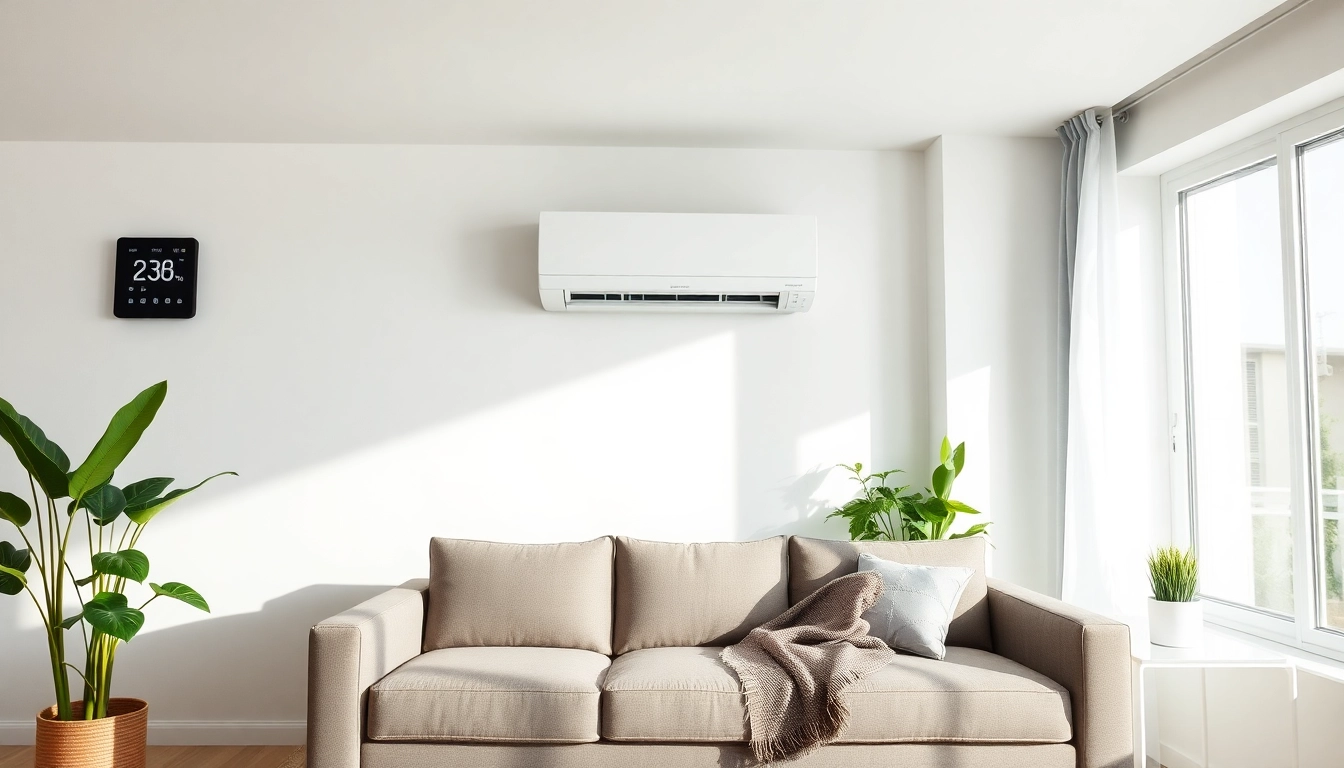
The Mitsubishi mini split AC is a versatile, energy-efficient air conditioning system designed for targeted cooling. Unlike traditional HVAC systems, which use ductwork to distribute air, mini split systems consist of two main components: an indoor air-handling unit and an outdoor condenser. This design allows for easy installation in various locations, making it ideal for both residential and commercial spaces. The mitsubishi mini split ac offers a sleek design, quiet operation, and the ability to maintain individual room temperatures, providing unparalleled comfort and efficiency.
Benefits Over Traditional HVAC Systems
Mitsubishi mini split AC systems provide several advantages compared to traditional HVAC systems:
- Energy Efficiency: With higher Seasonal Energy Efficiency Ratio (SEER) ratings, these systems consume less energy, leading to lower utility bills.
- Zoning Capability: Mini splits allow for zoned cooling, meaning different rooms can be set to different temperatures according to individual preferences.
- Space Saving: The absence of ductwork means more flexibility in installation and room design, allowing for seamless integration into any space.
- Reduced Noise: The outdoor unit operates quietly, ensuring minimal disruption during operation.
- Easy Installation: With minimal construction needed, the installation process is generally quicker and less invasive than traditional systems.
Key Features and Specifications
Mitsubishi mini split AC systems come equipped with a variety of features designed to enhance comfort and convenience:
- Inverter Technology: This technology allows the system to adjust its cooling output based on current room temperature, optimizing efficiency and comfort.
- Filters and Air Purification: Advanced filters improve indoor air quality by reducing allergens, dust, and other pollutants.
- Wi-Fi Control: Many models offer smart technology that allows users to manage settings directly from their smartphones.
- Variety of Indoor Units: Available in wall-mounted, ceiling cassette, and floor-mounted options to suit different room designs.
Installation Guide for Mitsubishi Mini Split AC
Choosing the Right Location
Proper placement of the indoor and outdoor units is crucial for optimal performance and efficiency. Here are some factors to consider:
- Indoor Unit: Install high on a wall or ceiling, unobstructed by furniture to facilitate airflow.
- Outdoor Unit: Choose a shaded area to prevent overheating and allow for proper air circulation.
- Distance Between Units: Ensure there is sufficient space between indoor and outdoor units to maintain plumbing and electrical connections.
Step-by-Step Installation Process
- Prepare the Location: Mark where indoor and outdoor units will be mounted.
- Install Mounting Bracket: Secure the indoor unit mounting bracket to the wall.
- Drill the Hole: Create a hole for the refrigerant line while ensuring proper drainage.
- Connect Refrigerant Lines: Attach the refrigerant and drainage lines to both units.
- Secure the Indoor Unit: Mount the indoor unit on the bracket and connect the power supply.
- Set Up the Outdoor Unit: Place the outdoor unit on a stable surface and connect all necessary lines.
- Test Operation: Turn on the system and check for cold air flow and overall functionality.
Common Installation Mistakes to Avoid
To ensure the system operates efficiently, avoid these common pitfalls:
- Incorrect Sizing: Choose a unit that fits the space requirements to avoid overworking the system.
- Poor Placement: Ensure no obstruction of airflow can hinder the efficiency of the indoor unit.
- Neglecting Drainage: Properly slope the drainage line to prevent water pooling and leaks.
Maintenance Tips for Optimal Performance
Regular Cleaning and Care
Routine maintenance is essential to prolong the life of your Mitsubishi mini split AC:
- Clean Filters: Regularly check and clean or replace filters to maintain airflow and efficiency.
- Inspect Drainage Lines: Clear any blockages to prevent moisture buildup and potential mold growth.
- Outdoor Unit Care: Remove debris around the outdoor unit to ensure proper airflow.
Troubleshooting Common Issues
Here are some frequent problems and possible solutions:
- Unit Not Cooling: Check the thermostat settings, ensure the filters are clean, and verify refrigerant levels.
- Unusual Noises: Inspect for loose components or debris in the unit that may be causing noise.
- Water Leaks: Check for clogged drainage lines or loose connections that might lead to leaks.
When to Call a Professional Technician
If issues persist despite troubleshooting, it’s advisable to consult a professional:
- Refrigerant Leaks: Leaks require certified professionals to handle refrigerant safely.
- Electrical Issues: Any electrical work should be performed by a licensed technician to ensure safety.
- Complex Repairs: If the issue is beyond simple maintenance, a professional diagnosis is necessary.
Energy Efficiency and Cost Savings
Understanding SEER Ratings
The Seasonal Energy Efficiency Ratio (SEER) measures the efficiency of air conditioning systems. Higher SEER ratings indicate greater energy efficiency, which can result in significant savings on energy bills. Mitsubishi mini split ACs often boast SEER ratings above 20, making them one of the most efficient options available.
How Mitsubishi Mini Split AC Reduces Energy Bills
These systems reduce energy costs by:
- Inverter Technology: This technology minimizes energy consumption by adjusting compressor speed based on current requirements.
- Dual-Zone Controls: Allows users to only cool areas that are in use, further conserving energy.
- Less Air Loss: Without ductwork, energy loss through leaks is significantly reduced.
Comparative Cost Analysis with Other Systems
While the upfront cost of a Mitsubishi mini split AC may be higher than traditional units, the long-term savings on energy bills, lower maintenance costs, and improved air quality make them a cost-effective choice in the long run. When factoring in potential rebates and energy incentives, the value strengthens even further.
Frequently Asked Questions about Mitsubishi Mini Split AC
How does the Mitsubishi Mini Split AC work?
The system operates by transferring heat from indoor spaces to the outside using refrigerant lines, providing cool air indoors without the need for ductwork.
What maintenance is required for longevity?
Regularly cleaning or replacing filters, checking refrigerant levels, and ensuring proper airflow around the outdoor unit will maintain the system’s performance.
Can I install the unit myself?
While some homeowners may handle installation, professional installation is recommended to ensure compatibility and prevent issues.
What are the energy efficiency ratings available?
Mitsubishi mini split AC systems typically boast SEER ratings ranging from 16 to over 20, indicating high energy efficiency.
How do I choose the right size for my room?
Consult a sizing guide based on room dimensions and intended usage, or speak with an HVAC professional to ensure accurate sizing.