Understanding Event Videography
What is Event Videography?
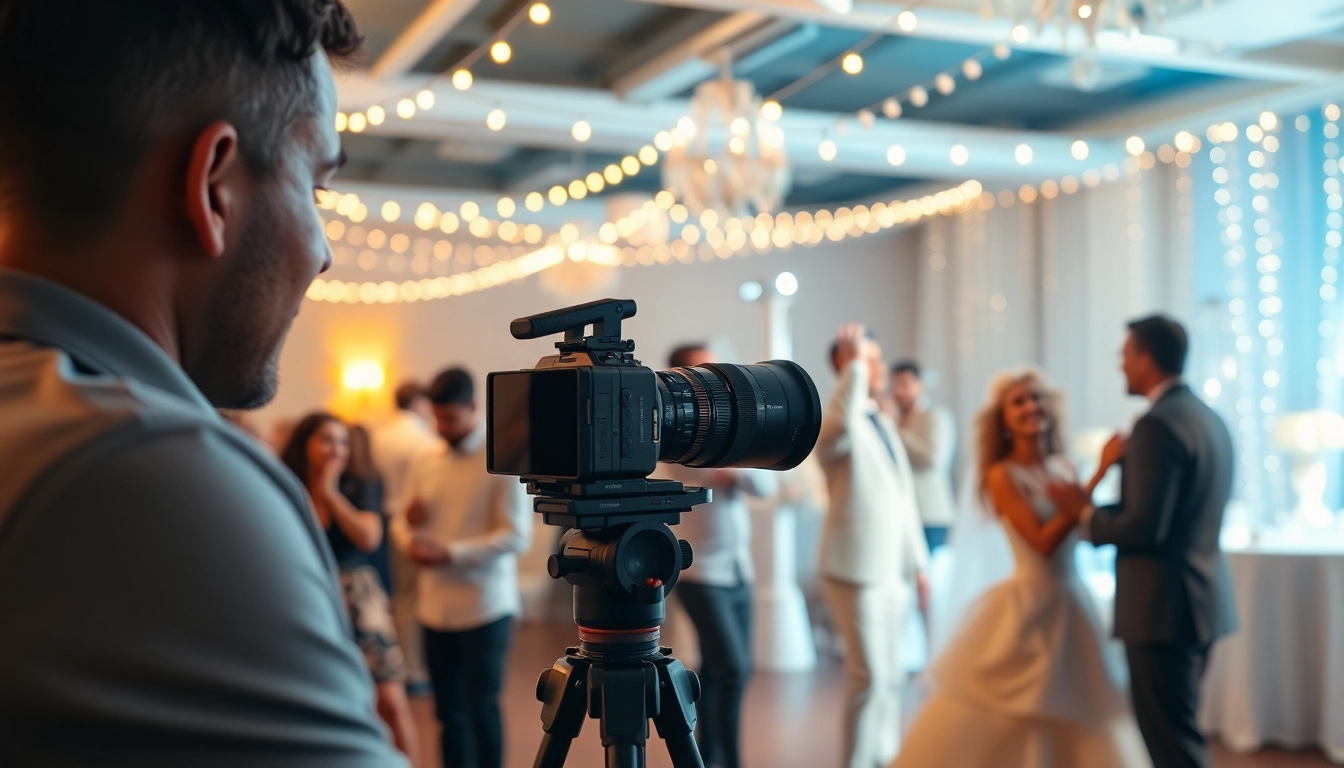
Event videography is the specialized art of capturing video content at various occasions, capturing not just the visual spectacle of the moment, but also the emotions and atmosphere that make an event unique. These can range from weddings, corporate functions, and parties to community events and conferences. Unlike traditional videography, which may focus solely on cinematic techniques, event videography is about documenting real-time events as they unfurl, resulting in authentic and often unscripted footage. By using suitable equipment and techniques, videographers create a narrative that resonates with viewers long after the event has concluded.
Importance of Event Videography
The importance of event videography cannot be overstated. In today’s digital age, where social media and online sharing are prevalent, having a professionally produced video captures not only the essence of the occasion but also extends its reach. These videos serve as a permanent archive, preserving memories for the attendees and organizers alike. Furthermore, they can be utilized for promotional purposes, showcasing the highlights to attract future participants or audiences. In an era where visual content dominates, investing in Event videography is more than a luxury—it is a strategic decision that helps enhance engagement and brand visibility.
Types of Events Commonly Covered
Event videography covers a wide range of occasions. Some of the most common types of events include:
- Weddings: Capturing the most important day in a couple’s life, focusing on emotional moments, receptions, and key rituals.
- Corporate Events: Documenting conferences, product launches, and corporate retreats to highlight company milestones and initiatives.
- Social Gatherings: Events like birthdays, anniversaries, and family reunions, preserving cherished moments for attendees.
- Charity & Fundraising Events: Showcasing the atmosphere and the cause behind the event can help drive future donations and support.
- Sporting Events: Capturing games, competitions, and tournaments, offering a unique perspective on both athletes and fans.
Planning for Event Videography
Setting Objectives for Your Video
Before embarking on the journey of event videography, it is crucial to set clear objectives. What do you want to achieve with the video? Are you aiming to document the day for personal memories, or are you creating promotional material? Understanding your aims will guide the stylistic choices made during filming and editing. Common objectives might include:
- Creating a keepsake of the event for attendees
- Enhancing brand visibility through promotional content
- Documenting an event for future planning and improvements
- Engagement on social media platforms to broaden outreach
Choosing the Right Videographer
Selecting a competent videographer is one of the most critical steps in the planning phase. It is essential to review their portfolio to assess their style and quality of work. Look for someone who not only possesses technical expertise but also understands the nuances of capturing the particular type of event you are hosting. Recommendations or reviews from previous clients can provide valuable insights into their professionalism and reliability. Additionally, consider their communication skills; a good videographer should be approachable and open to your ideas and feedback.
Budget Considerations for Event Videography
Budgeting for event videography requires a careful assessment of your financial resources and allocation. Event videography can range from affordable packages to more extensive services that involve a full film crew and high-end equipment. Items to consider in your budget include:
- Videographer fees and experience level
- Additional crew members for larger events
- Equipment costs, such as cameras and drones
- Post-production editing and special effects
- Travel expenses if applicable
It’s vital to balance between cost and quality; opting for the cheapest option can sometimes lead to unsatisfactory results.
Key Techniques in Event Videography
Essential Equipment for Quality Video
The quality of your event video greatly depends on the equipment used. While DSLRs and mirrorless cameras are popular choices due to their flexibility, a professional videographer often utilizes a combination of equipment to achieve the best results. Key equipment includes:
- Cameras: High-resolution cameras that perform well in low light conditions are essential for events held in dimly lit venues.
- Lenses: Different lenses for various settings, such as wide-angle lenses for crowds and telephoto lenses for close-ups.
- Stabilizers: Gimbals or steadicams to ensure smooth, cinematic shots while moving.
- Microphones: Quality audio equipment to capture speeches, vows, or conversations clearly without distortion.
- Lighting: Portable lighting kits can help illuminate key moments when natural lighting is inadequate.
Interviewing Techniques During Events
Effectively capturing interviews during an event can add depth to your video, providing personal anecdotes and insights from attendees. Here are some techniques to consider:
- Preparation: Have a set of questions ready, tailored to the event and the individual being interviewed.
- Comfort: Make interviewees feel at ease, encouraging them to share genuine feelings and thoughts about the event.
- Setting: Select suitable locations for interviews that correlate with the event’s ambience while minimizing background noise.
- Incorporate B-Roll: Ensure to capture supporting footage during interviews that visually reinforces the spoken content, making the final video more engaging.
Incorporating Storytelling into Your Videos
Event videography transcends simply documenting events; it’s about weaving a narrative that draws in viewers. Here are some strategies for effective storytelling:
- The Outline: Create a storyboard or outline that organizes the chronological flow of events, emphasizing significant moments.
- Emotional Arcs: Highlight personal stories, showcasing the joy, laughter, and poignant moments that mark the event.
- Visual Metaphors: Utilize visual elements like venue characteristics, decorations, or gestures that metaphorically represent broader themes, enhancing the narrative.
- Engaging Openings and Closings: Start with a captivating scene and end with a powerful conclusion that leaves a lasting impression.
Post-Production Practices
Editing Essentials for Impactful Videos
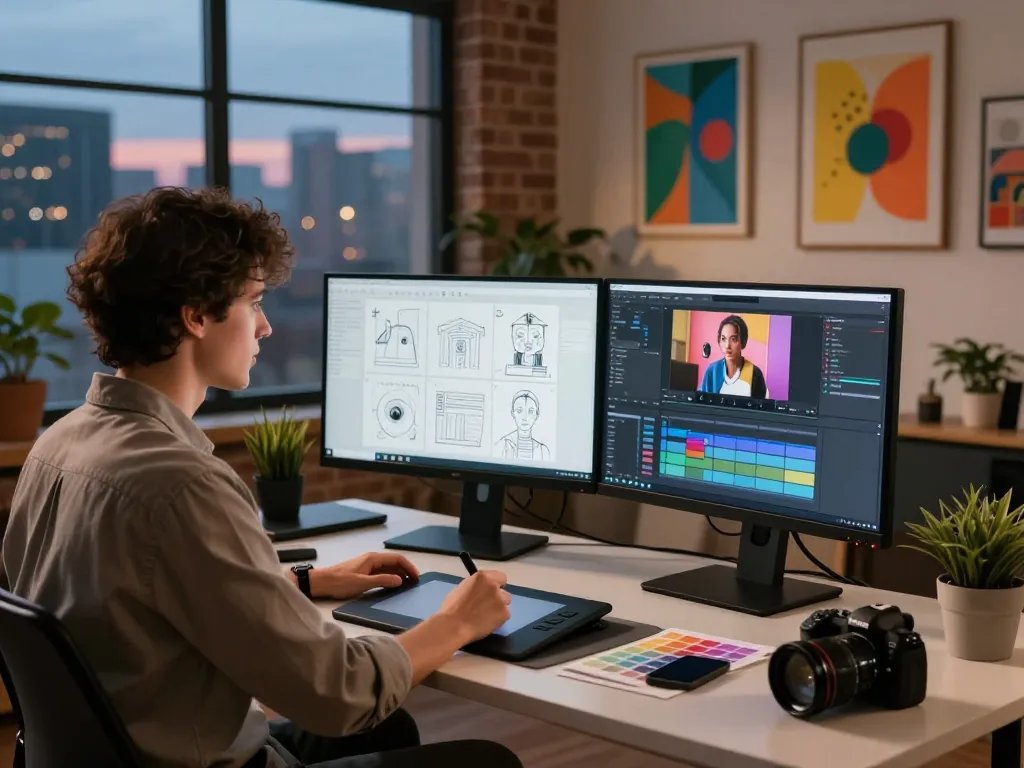
The post-production process is where the raw footage transforms into a polished final product. Essential aspects of editing include:
- Organizing Footage: Label and categorize clips for easy access during the editing process.
- Cutting for Duration: Editing down the footage to maintain viewer engagement while incorporating significant highlights.
- Transitions: Use smooth transitions that facilitate flow from one segment to another without disrupting the viewer’s experience.
- Color Grading: Enhance the overall look of the video through color correction, ensuring consistency and aesthetic appeal.
Using Music and Effects Effectively
Music plays a crucial role in enhancing the emotional weight of a video. When adding music, consider the following:
- Licensing: Ensure that all music used in your video is appropriately licensed to avoid copyright infringement.
- Emotion Match: Select songs that match the tone and atmosphere of the event—upbeat music for joyous moments and softer tones for more reflective segments.
- Sound Effects: Utilize natural sound effects from the event to enhance authenticity while supporting the narrative.
Delivering Final Products to Clients
Upon completing the editing process, delivering the final video to clients must be approached with professionalism.
- Formats: Provide videos in common formats that are easy to share, like MP4 or MOV.
- Online Access: Consider uploading the video to a private online platform where clients can access it easily and share with others.
- Physical Copies: Offering physical copies on USB drives or DVDs can be a nice touch, especially for weddings and celebrations.
Frequently Asked Questions
What should I look for in a videographer?
Look for a solid portfolio, positive reviews, and experience in similar events to ensure quality.
How long will it take to receive my event video?
Typically, it can take 4-6 weeks depending on the complexity and length of the video.
Can I include specific songs in my event video?
Yes, but ensure you have the proper licensing for any music to avoid copyright issues.
What should I prepare for the videographer on the day of the event?
Provide a schedule, specific moments to capture, and any important people they should focus on.
What is the typical length of an event video?
Most event videos range from 5 to 20 minutes, depending on the type and scale of the event.