
- Understanding Roof Cleaning: Importance for Tampa Homes
- Soft Wash vs. Pressure Wash: The Right Method for Your Roof
- Scheduling Your Roof Cleaning: When and How Often?
- Choosing a Roof Cleaning Service: What to Look For
- Future Trends in Roof Cleaning: What to Expect in 2026
- How Often Should You Get Roof Cleaning Done?
- Benefits of Routine Roof Cleaning
- Common Misconceptions About Roof Cleaning
- Real Experiences from Tampa Homeowners
- Step-by-Step Guide to Proper Roof Maintenance
- How to Measure Roof Cleaning Success
- Emerging Roof Care Practices for the Future
Understanding Roof Cleaning: Importance for Tampa Homes
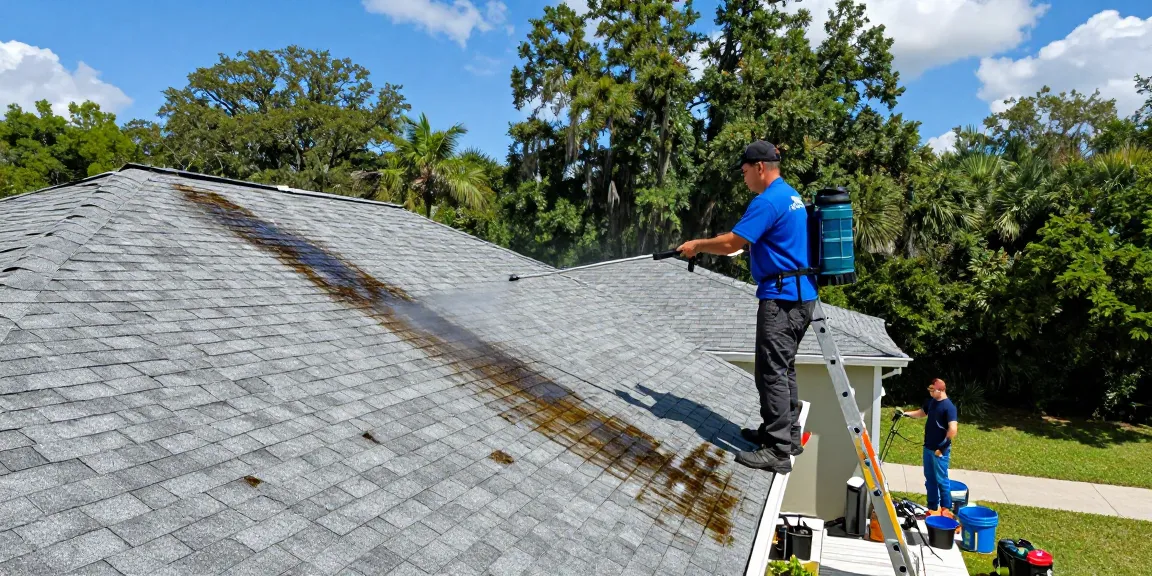
If you live in Tampa, you’ve likely noticed dark streaks creeping down your neighbors’ roofs, creating an unsightly view. However, what many homeowners overlook is that these streaks are not just dirt or mold; they are often caused by algae, specifically Gloeocapsa magma. In Florida’s warm and humid climate, these organisms thrive and can significantly damage your roof over time. Regular roof cleaning is vital for maintaining not only the aesthetic of your home but also the integrity of your roof. Ignoring this maintenance can lead to costly repairs and a shorter lifespan for your roofing materials. For comprehensive information on roof cleaning options in your area, check out https://avatarroofing.com/residential-roofing-tampa/roof-cleaning-tampa/.
What Causes Algae and Moss on Roofs?
The primary culprit behind the black streaks on roofs in Tampa is algae. Gloeocapsa magma is a type of blue-green algae that feeds on the limestone in asphalt shingles. It thrives in the humid subtropical climate of Florida, spreading rapidly and forming those unsightly streaks. Additionally, moss can develop, particularly in shaded areas where moisture lingers. Moss not only looks unattractive but also has the potential to lift shingles and create water entry points. These conditions are exacerbated by overhanging trees, which provide shade and retain moisture, creating a conducive environment for algae and moss growth.
Impact of Weather Conditions in Tampa
The weather in Tampa significantly contributes to the growth of algae and moss on roofs. With high humidity, warm temperatures throughout the year, and frequent rains, Florida presents an ideal breeding ground for these organisms. The combination of moisture and sunlight not only aids algae proliferation but can also lead to the deterioration of roofing materials. Homeowners must be aware of these conditions and take proactive measures to prevent the buildup of harmful growth on their roofs.
The Importance of Regular Maintenance
Regular maintenance of your roof through cleaning is essential to prolonging its lifespan and avoiding costly repairs. Algae and moss can trap moisture, leading to rot and decay of roofing materials. A clean roof not only enhances your home’s curb appeal but also ensures that the roofing system functions effectively. By scheduling routine cleanings, typically every two to three years, homeowners can prevent small problems from turning into major issues.
Soft Wash vs. Pressure Wash: The Right Method for Your Roof
When it comes to cleaning roofs, not all methods are created equal. The right cleaning technique can dramatically affect the integrity and lifespan of your roofing materials.
Understanding Soft Washing Techniques
Soft washing is a preferred method for roof cleaning as it utilizes low-pressure water combined with specialized cleaning solutions designed to eliminate organic growth without damaging shingles. This method effectively removes algae and moss while preserving the protective granules on your roof. It’s essential to hire professionals who understand the principles of soft washing to achieve the best results without causing harm.
Risks Associated with Pressure Washing
In contrast, pressure washing is widely considered harmful to roofs. High-pressure streams can dislodge granules from shingles, reducing their effectiveness and leading to accelerated aging. Many homeowners have experienced the aftermath of pressure washing, where damage goes unnoticed until it’s too late. This approach can void warranties and significantly decrease the longevity of your roof, making it imperative to opt for safer cleaning alternatives.
Manufacturer Recommendations and Best Practices
Roofing manufacturers recommend soft washing techniques for maintaining the integrity of roofing materials. By adhering to these guidelines, you can ensure that your roof remains in optimal condition while effectively removing unsightly growth. Consulting with professionals who are familiar with the latest industry standards and practices is crucial in ensuring proper care of your roof.
Scheduling Your Roof Cleaning: When and How Often?
Knowing when and how often to clean your roof can be difficult for homeowners. However, understanding the signs that indicate a cleaning is necessary is key to maintaining a healthy roof.
Signs Your Roof Needs Cleaning
Look for dark streaks, patches of green or black growth, and accumulated debris on your roof as signs that it’s time for a cleaning. If your roof has visible signs of organic growth or if you’ve noticed a decline in its visual appeal, it’s likely time to contact a professional for cleaning services. Regular inspections can help catch these issues early and maintain your roof’s functionality.
Recommended Cleaning Frequency for Different Roof Types
Most Tampa homeowners should schedule roof cleaning every two to three years. However, this frequency can vary based on your roof type and environmental conditions:
- Asphalt Shingles: Clean every 2-3 years.
- Tile Roofs: Clean every 2-3 years, keeping in mind that these roofs may require specialized cleaning due to their porous nature.
- Wood Shakes: More frequent cleaning may be necessary due to increased susceptibility to moss and algae growth.
Seasonal Considerations for Tampa Homeowners
Timing your roof cleaning can also depend on the seasons. In Tampa, many homeowners choose to clean their roofs in the spring, preparing for the heavy rain season. This proactive approach not only keeps roofs looking clean but also allows for inspections and minor repairs to be completed before storm conditions set in.
Choosing a Roof Cleaning Service: What to Look For
When selecting a roof cleaning service, it’s vital to evaluate their qualifications and techniques to ensure you’re making the best choice for your home.
Evaluating Professional Qualifications and Techniques
Look for companies that specialize in soft washing and have a proven track record in roof cleaning. Verify that they employ industry-standard techniques that protect your roof from damage. Certified professionals should provide references and demonstrate prior successful projects.
Understanding Pricing and Service Packages
While cost is a factor, it shouldn’t be the only consideration when choosing a roof cleaning service. Evaluate what is included in their packages and ensure that the service offers thorough cleaning and assessments without hidden fees. Always compare multiple options before making a decision.
Importance of Customer Reviews and Testimonials
Reviews and testimonials from previous clients can provide valuable insights into a company’s service quality and reliability. Check reputable platforms for customer feedback and consider reaching out to neighbors who have had similar work done, as personal recommendations can be highly effective.
Future Trends in Roof Cleaning: What to Expect in 2026
As we look ahead, several emerging trends in roof cleaning are expected to shape how homeowners manage roof maintenance effectively.
Innovations in Cleaning Technology
Expect to see advancements in cleaning equipment and techniques. These innovations will likely enhance efficiency and cleaning efficacy, while minimizing environmental impact. Companies may adopt robotic systems for cleaning roofs, which could provide safer and more efficient results.
Eco-Friendly Cleaning Solutions and Their Benefits
As environmental concerns continue to rise, there will be a strong shift towards eco-friendly cleaning solutions. These biodegradable cleaners will effectively eliminate organic growth without harming surrounding vegetation or water sources. Homeowners can look forward to more sustainable practices becoming the norm in the roof cleaning industry.
Predictions for Maintenance Practices in the Tampa Area
With increased awareness of the importance of regular roof maintenance, Tampa homeowners will likely incorporate cleaning as part of routine home upkeep. Seasonal maintenance checklists will evolve, ensuring roofs are inspected and cleaned regularly to prolong their life and enhance property value.
How Often Should You Get Roof Cleaning Done?
Regular cleaning, typically every two to three years, is critical for all roof types. However, as previously discussed, the frequency can change based on specific factors such as tree coverage, roof orientation, and local weather conditions.
Benefits of Routine Roof Cleaning
Routine roof cleaning comes with numerous benefits, including:
- Increased lifespan of roofing materials.
- Enhanced curb appeal of your home.
- Prevention of costly repairs due to hidden damage.
- Improved energy efficiency by reflecting sunlight.
Common Misconceptions About Roof Cleaning
Many homeowners hold misconceptions about roof cleaning. One common myth is that it isn’t necessary unless there are visible problems. In reality, proactive cleaning can prevent issues before they arise. Another misconception is that all cleaning methods are equally effective; as discussed, pressure washing can cause more harm than good. Understanding the facts can empower homeowners to make informed choices about their roof maintenance.
Real Experiences from Tampa Homeowners
Homeowners across Tampa have shared their positive experiences with routine roof cleaning. Many report improved home aesthetics and peace of mind knowing their roofs are well-maintained. Feedback highlights the importance of choosing qualified professionals who can provide a thorough job without risk of damage.
Step-by-Step Guide to Proper Roof Maintenance
Proper roof maintenance is a multi-step process that includes:
- Regular inspections to identify potential issues.
- Timely cleaning to prevent algae and moss buildup.
- Utilizing safe methods like soft washing.
- Documenting maintenance work for future reference.
How to Measure Roof Cleaning Success
To determine the effectiveness of your roof cleaning, assess the visual appearance of your roof after the job is done. A clean roof should have a uniform color, free of streaks and discoloration. Additionally, check for any signs of algae or moss returning within a year to confirm the effectiveness of the cleaning method used.
Emerging Roof Care Practices for the Future
As we move into the future, homeowners can expect more educational resources and guidance on roof care. This includes greater transparency from service providers regarding techniques used and their associated benefits. Enhanced training for cleaning technicians will likely ensure higher standards in the industry, promoting better care for roofs statewide.